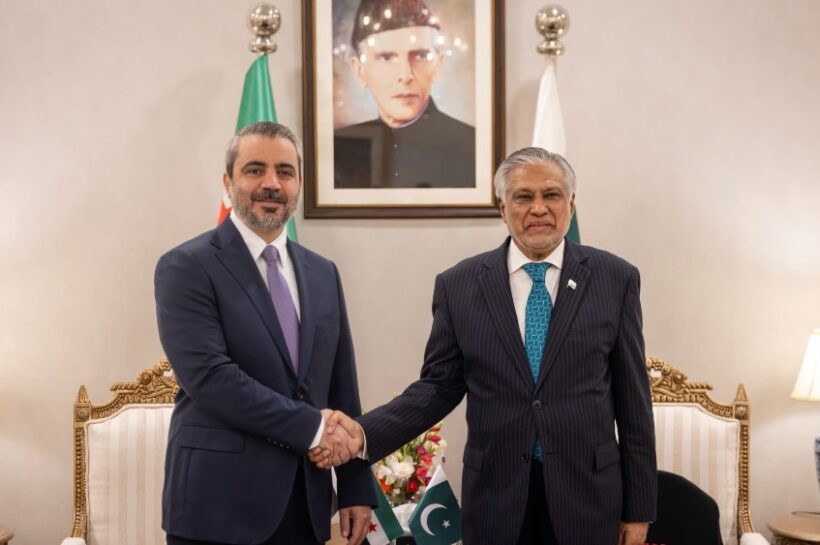





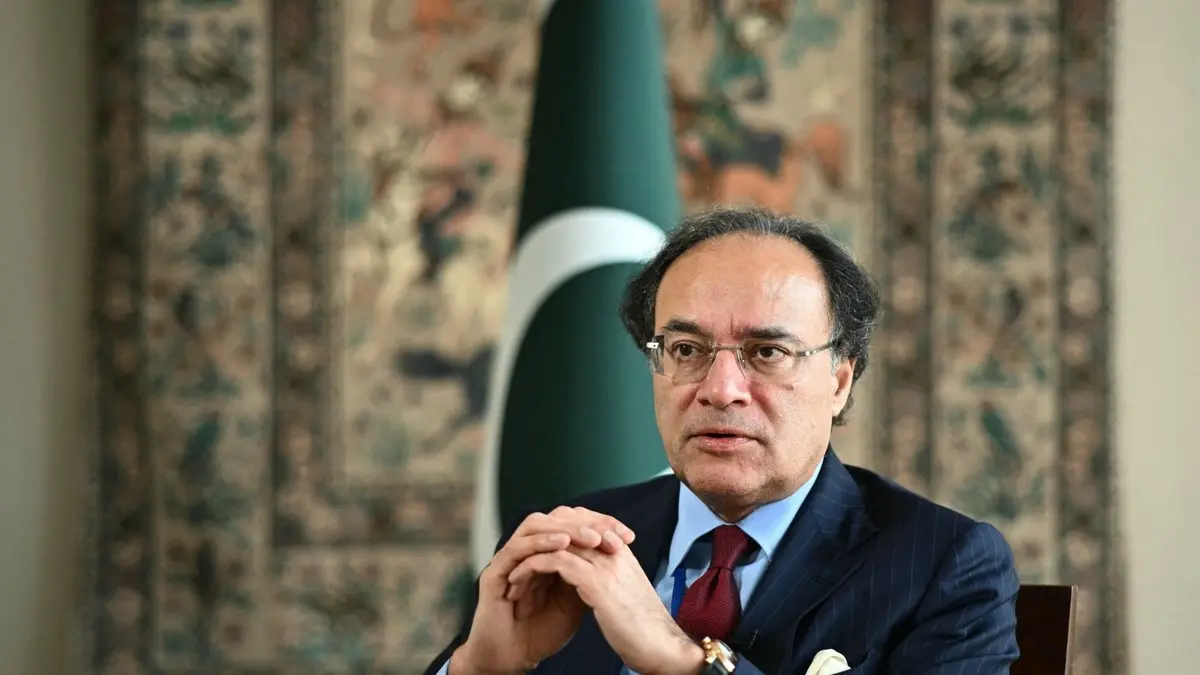
Karachi (HRNW)- Federal Finance Minister Muhammad Aurangzeb has announced that 28 additional state-owned enterprises (SOEs) have been transferred to the Privatization Commission, reaffirming the government’s commitment to accelerating the privatization process.
Addressing the opening ceremony of the Pakistan Banking Summit 2026, organized by the Pakistan Banks Association (PBA), the Finance Minister said the last fiscal year concluded with strong economic stability. He noted that Pakistan’s GDP grew by 3.7 percent, supported by improved performance in large-scale manufacturing, while the current account remained stable during fiscal year 2025-26 due to higher remittances.
Muhammad Aurangzeb said remittances for fiscal year 2025-26 are expected to reach $41–42 billion, while value-added exports also contributed significantly to economic stability. He added that Pakistan’s foreign exchange reserves rose to $18.4 billion, and the country has regained access to international capital markets, including Eurobonds and Panda Bonds.
The Finance Minister further stated that 11 Initial Public Offerings (IPOs) were launched on the Pakistan Stock Exchange during the last fiscal year, with growing participation from new investors, particularly Gen Z. He added that unlike the devastating floods of 2022, the country managed the 2025 floods through its own resources without seeking international financial assistance.
Highlighting budget measures, Aurangzeb said the super tax on businesses with annual income below Rs500 million has been abolished to encourage small businesses. He added that the construction sector has received relief, import duties on agricultural machinery have been reduced to zero, and the retail sector has been brought into the tax net. He emphasized that the use of technology is reducing direct human interaction in the tax system and that restoring confidence in tax administration remains a priority.
He said the government intends to simplify the tax system, although a final tax regime is not currently feasible. Stressing the importance of broadening the tax base, he said every eligible citizen should contribute reasonable taxes. He also highlighted the need to expand transshipment facilities and noted that monthly inflows through Roshan Digital Accounts have increased from $180 million to $300 million over the past three months.
Aurangzeb urged greater access to finance for small and medium-sized enterprises (SMEs) and said the government has allocated a dedicated budget segment for SMEs. He emphasized the importance of reducing public debt, maintaining financial discipline, and strengthening the role of non-banking financial institutions.
The Finance Minister further revealed that No Objection Certificates (NOCs) were issued in December 2025 to exchange companies for activities related to artificial intelligence, blockchain, and virtual assets. He also called on commercial banks to strengthen cybersecurity as the digital economy continues to expand.
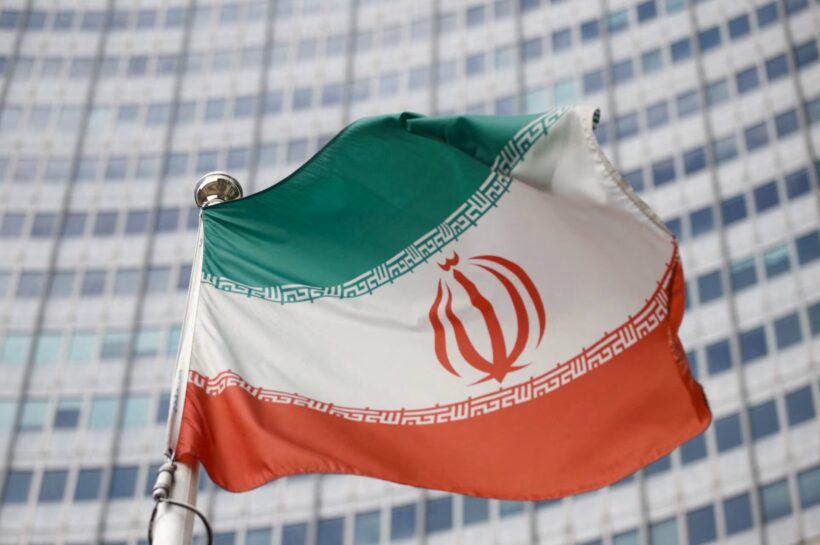
Speaking to the media, Aurangzeb said trade relations with Iran are at an early stage following the Iran-US conflict but expressed optimism about future progress. He also emphasized strengthening economic ties with brotherly Islamic countries and thanked the provinces for supporting the federal development budget, adding that discussions on the National Finance Commission (NFC) remain ongoing.
Addressing the summit, Minister of State for Finance Bilal Azhar Kayani said the banking sector plays a vital role in Pakistan’s economic development, while easy access to finance for the private sector remains one of the government’s key priorities.
Meanwhile, Pakistan Banks Association Chairman Zafar Masood said Pakistan’s banking sector has achieved several milestones over the past year. He noted that the PBA, established in 1953, held its executive committee elections through ballot boxes in December 2025 and, for the first time, included two women on the executive committee.
He added that the banking industry is actively supporting SMEs, agriculture, and environmental initiatives, while contributing more than Rs1 trillion annually in taxes. According to Zafar Masood, agricultural lending increased by 39 percent, housing finance grew by 90 percent, SME borrowers increased by 111 percent, and the total value of SME loans rose by 80 percent over the past year.
He further stated that banks issued Rs2.4 trillion in financing to address Pakistan’s electricity circular debt and provided Rs300 billion in loans to the private sector for the privatization of Pakistan International Airlines (PIA).
Support independent journalism and human rights reporting by making a donation: www.hrnww.com/?page_id=1083