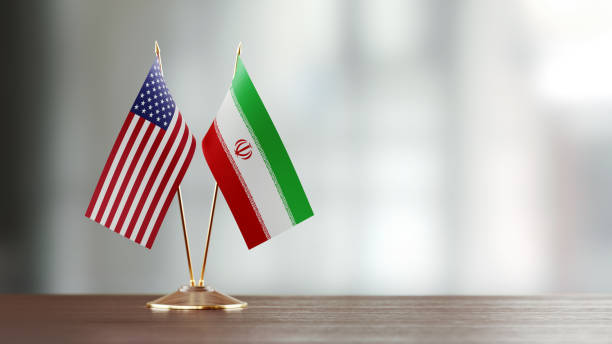


DUBAI / RIYADH (HRNW) – In a significant shift in regional diplomacy, Gulf nations have sent a clear message to the United States, stating that a simple ceasefire in the ongoing Middle East conflict is insufficient to ensure long-term stability.
Demands for Permanent Security Guarantees
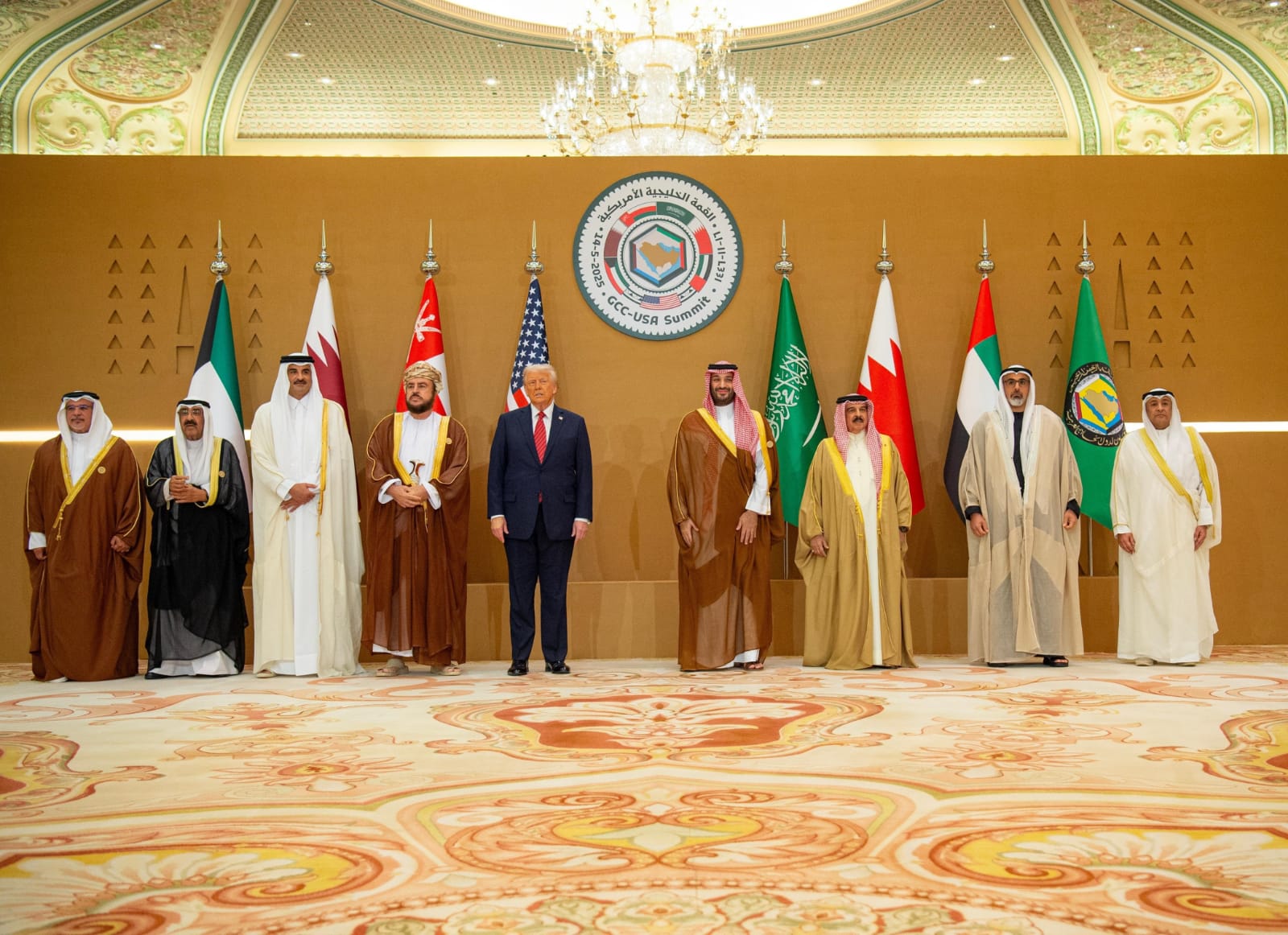
According to multiple reports and official statements from the Gulf Cooperation Council (GCC), member states are urging Washington to look beyond a temporary truce. The core of the Gulf’s demand is the permanent degradation or restriction of Iran’s missile and drone programs, which they view as a persistent threat to global energy security and regional peace.
-
GCC Position: The council has called for “enforceable restraints” on Iran’s ability to target civilian and energy infrastructure.
-
End to Proxy Warfare: A key part of the demand includes the complete cessation of support for armed factions in conflict zones like Yemen and Gaza.
-
Economic Stability: Gulf officials emphasized that global energy supply chains must never again be “weaponized” or held hostage by regional tensions.
Leading Voices on the Crisis
Prominent regional figures have articulated the high stakes of the current situation:
-
Yousef Al Otaiba (UAE Ambassador to the US): In a recent column for The Wall Street Journal, Ambassador Otaiba stated, “A simple ceasefire isn’t enough. We need a conclusive outcome that addresses Iran’s full range of threats: nuclear capabilities, missiles, drones, and terror proxies.”
-
Dr. Ebtesam Al-Ketbi (President of the Emirates Policy Center): Dr. Al-Ketbi noted that the primary challenge is not just stopping the current war but providing “sustainable protection” from future threats. She warned that leaving the conflict without a decisive victory would leave the region vulnerable to a resurgent threat.
A Call for Active Diplomacy
The GCC has stressed that the region requires more than just diplomatic rhetoric; it needs a concrete, international initiative to secure maritime routes—specifically the Strait of Hormuz—and to ensure that regional airspace remains protected. The council remains firm that any deal with Tehran must include ironclad security guarantees for its neighbors.
Support Independent Journalism
Human Rights News Agency (HRNW) is the world’s No. 1 Human Rights news portal, dedicated to providing comprehensive news and vital information regarding human rights across the globe.
👉 Support HRNW: hrnww.com/support-us