


LILONGWE, MALAWI (HRNW) — Amnesty International has highlighted barriers facing women and girls seeking sexual and reproductive healthcare in Malawi, focusing on the experiences of a local women’s rights activist working with rural communities.
In a campaign article published on September 28, Amnesty featured Towera Ngwira, a 29-year-old Malawian women’s rights activist and co-founder of the Extra Mile Development Foundation.
Ngwira works with adolescent girls and young women on issues including gender justice, sexual and reproductive health, climate justice, education and economic empowerment.
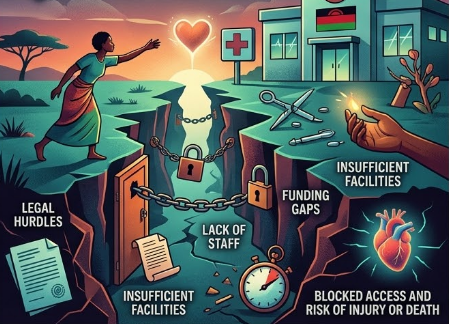
She said women and girls in rural Malawi continue to face obstacles including long distances to health facilities, transportation costs, stigma and limited access to accurate information.
Ngwira also described how cyclones and floods can disrupt access to contraception, maternal healthcare and other essential services.
During Cyclone Freddy in 2023, her organization worked with affected communities in Mulanje to provide health information, menstrual hygiene products and family-planning support.
She said displacement can also increase risks of gender-based violence, exploitation and unintended pregnancy because women and girls may lose access to normal support systems and healthcare facilities.
Ngwira said community organizations, youth groups, volunteers and peer educators can help people obtain information and connect with available services during emergencies.
However, she stressed that community initiatives cannot replace functioning health facilities, trained healthcare workers and government services.
The activist also spoke about the personal impact of unsafe abortion, saying she lost a friend in 2021 following an unsafe abortion and delays in receiving post-abortion care.
Amnesty’s campaign places the issue within a wider discussion about women’s rights, healthcare access and the effects of climate-related disasters on vulnerable communities.
Ngwira called for stronger rural health systems, better emergency preparedness and sustained support for locally led organizations working with women and girls.
She also emphasized the importance of ensuring that young people participate in shaping policies and programs affecting their health and rights.
Support Appeal
HRNW appeals to readers, civil society organizations, governments and human-rights supporters to strengthen independent human-rights journalism and public awareness through the World’s No.1 dedicated Human Rights News Agency.
Disclaimer
This article is based on Amnesty International’s September 28, 2026 campaign feature and the testimony of Malawian women’s rights activist Towera Ngwira. Personal experiences and assessments are attributed to Ngwira and Amnesty International and have not been independently verified by HRNW.