







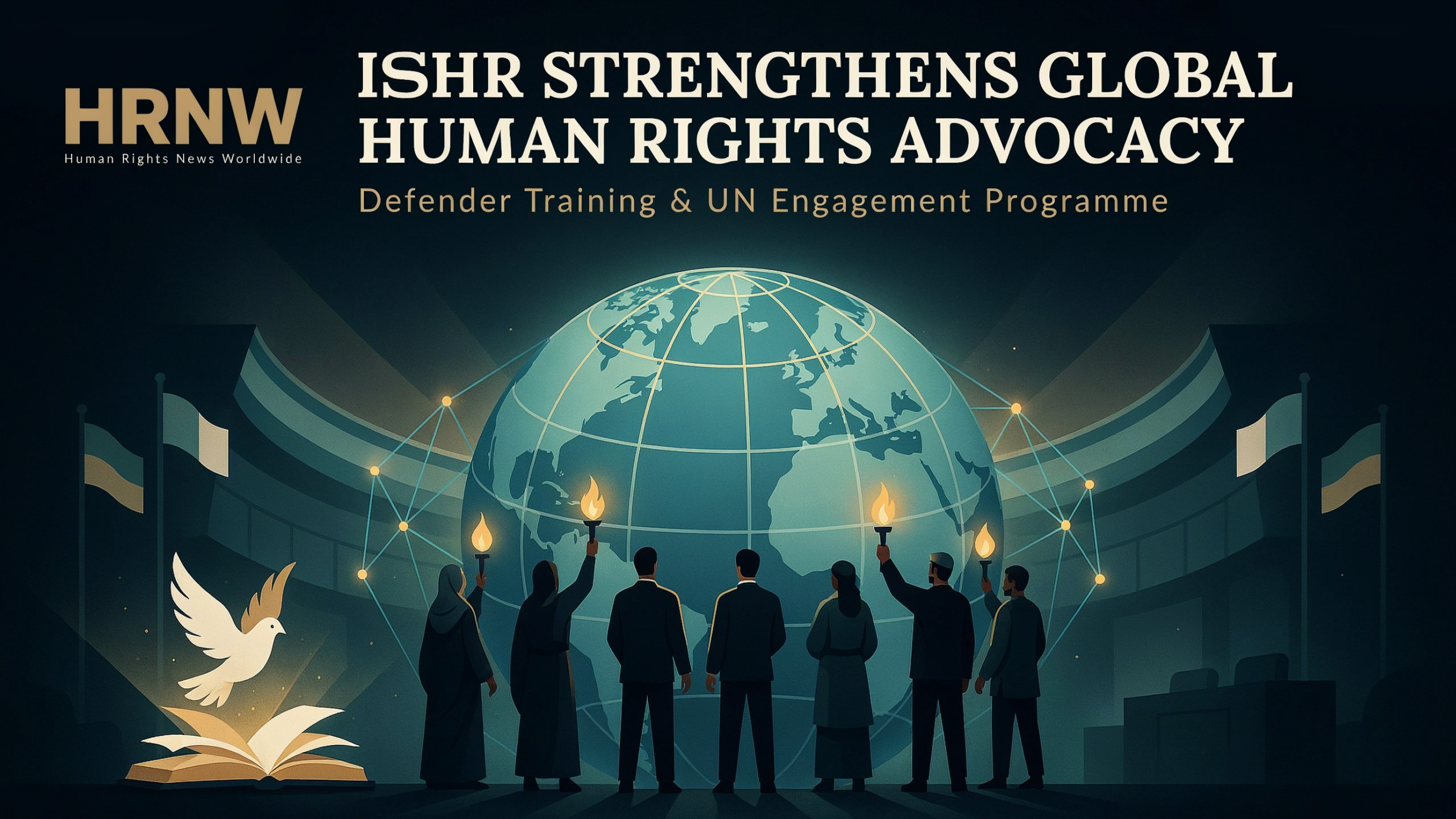
Geneva, Switzerland (HRNW): The International Service for Human Rights (ISHR) is continuing to strengthen global human rights advocacy by expanding its Human Rights Defender Advocacy Programme, equipping civil society representatives and grassroots activists with the knowledge and practical skills needed to engage effectively with United Nations human rights mechanisms and regional institutions.
The Geneva-based international organization has intensified its efforts to empower human rights defenders from diverse regions by providing specialized training on international human rights law, advocacy strategies, documentation of human rights violations, and engagement with UN treaty bodies, the Human Rights Council, and Special Procedures. These initiatives aim to amplify the voices of local communities while promoting accountability and respect for internationally recognized human rights standards.
According to ISHR, the Human Rights Defender Advocacy Programme enables participants to develop practical advocacy skills through workshops, mentoring, policy discussions, and direct interaction with international human rights experts. The programme also assists defenders in preparing evidence-based submissions and recommendations for international human rights mechanisms, helping bring local concerns to global attention.
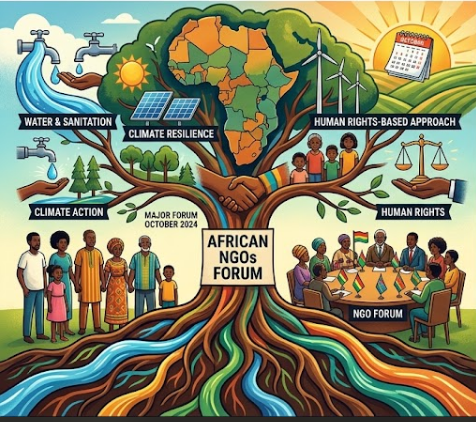
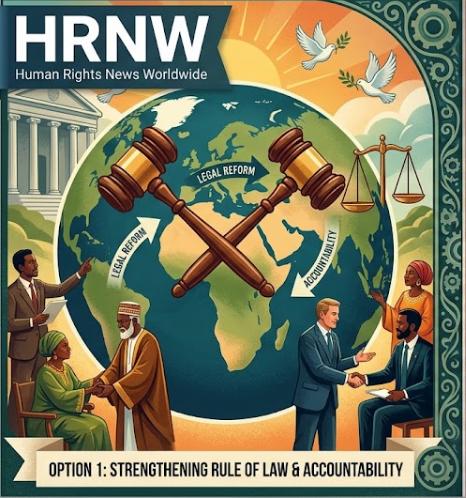
The organization has emphasized that human rights defenders continue to play a vital role in promoting democracy, the rule of law, equality, freedom of expression, and protection of marginalized communities. ISHR noted that despite increasing challenges in many regions, civil society organizations remain committed to advancing justice through peaceful advocacy, legal reforms, and constructive dialogue with governments and international institutions.
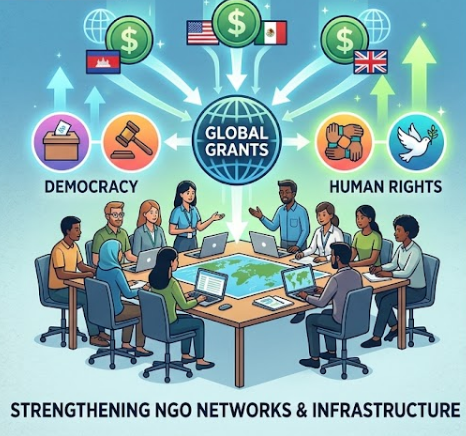
ISHR has also continued collaborating with partner organizations, academic institutions, and regional human rights networks to strengthen cooperation and build sustainable advocacy capacity. Through technical assistance, policy engagement, and international networking opportunities, the organization seeks to enhance the effectiveness of human rights defenders working in complex and often challenging environments.
Human rights experts have welcomed continued investment in capacity-building initiatives, observing that stronger civil society engagement contributes to greater transparency, accountability, and implementation of international human rights commitments. Training programmes such as those organized by ISHR also help emerging human rights leaders develop long-term advocacy strategies and strengthen institutional resilience.
Founded in 1984 and headquartered in Geneva, ISHR works with human rights defenders worldwide to ensure that international human rights systems remain accessible, effective, and responsive to the needs of individuals and communities. The organization continues to advocate for stronger protection of civic space and greater participation of civil society within international decision-making processes.
As global human rights challenges evolve, ISHR reaffirmed its commitment to supporting defenders through education, advocacy, international cooperation, and engagement with multilateral institutions, contributing to a stronger global culture of respect for human rights and fundamental freedoms.
Support Appeal
Support the World’s No.1 dedicated Human Rights News Agency to enhance its mission of promoting justice, equality, peace, democracy, and human dignity worldwide. Your generous support enables HRNW to deliver credible, independent, and timely reporting on human rights developments from every corner of the globe.
Support HRNW: https://www.hrnww.com/?page_id=1083
Disclaimer
This HRNW news report has been prepared using publicly available information released by the International Service for Human Rights (ISHR) and other reliable public sources. It is published solely for news and informational purposes. HRNW maintains complete editorial independence, and publication of this report does not necessarily constitute endorsement of the policies, positions, or opinions of the organizations mentioned. Readers are encouraged to consult official ISHR publications for complete and updated information regarding its programmes, activities, and advocacy initiatives.