




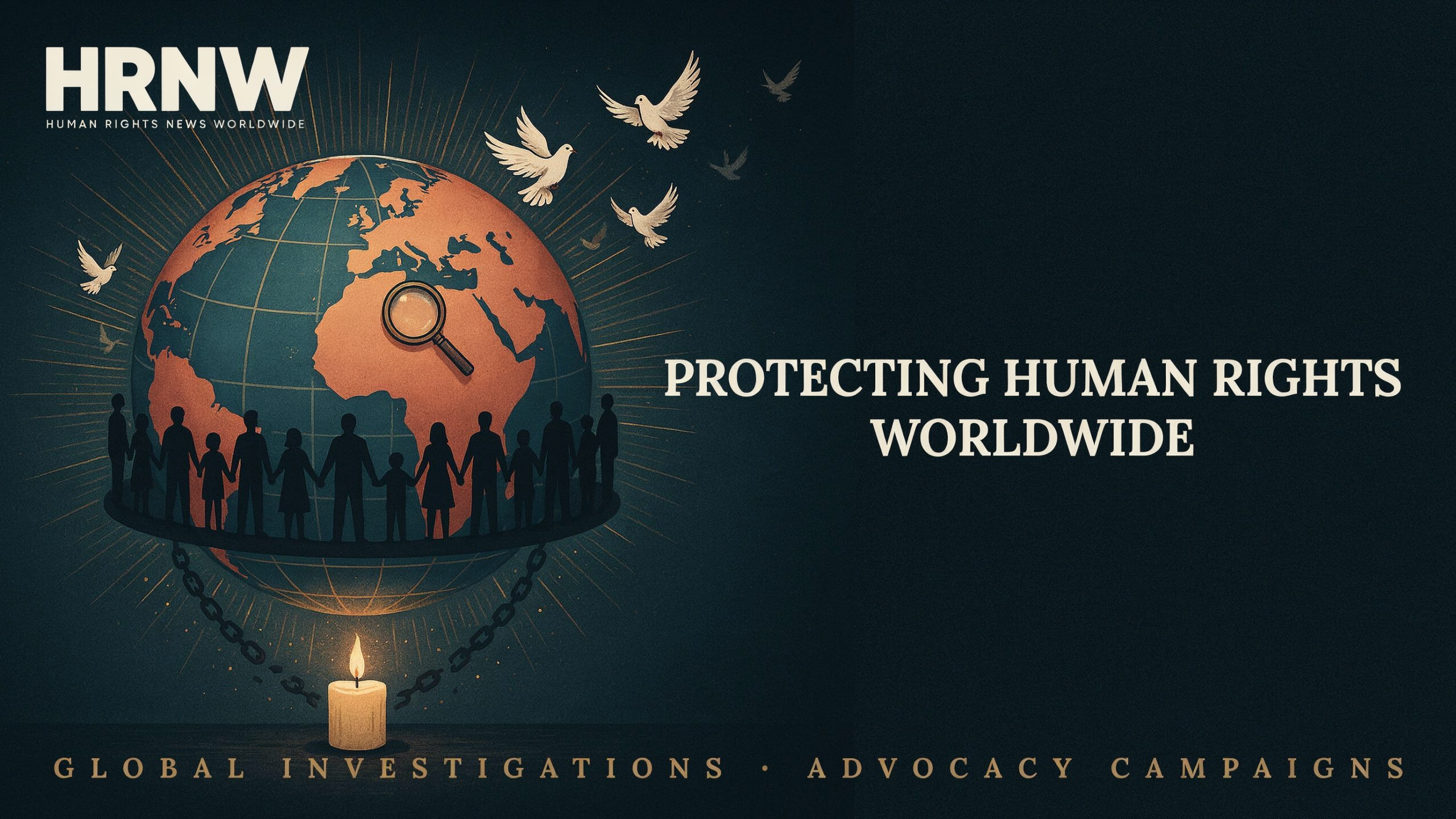
New York, United States (HRNW): Human Rights Watch (HRW) continues to expand its global human rights investigations, advocacy campaigns, and policy engagement efforts aimed at documenting abuses, supporting affected communities, and encouraging governments and international institutions to strengthen protection of fundamental freedoms and human dignity.
The international organization has continued monitoring human rights conditions across regions affected by conflict, political instability, discrimination, humanitarian emergencies, and restrictions on civic space. Through detailed research, interviews with affected communities, legal analysis, and engagement with decision-makers, Human Rights Watch works to bring international attention to human rights concerns and promote meaningful accountability.
Human Rights Watch researchers operate in numerous countries worldwide, investigating issues including protection of civilians during armed conflicts, freedom of expression, refugee and migrant rights, women’s rights, children’s rights, disability rights, digital freedoms, environmental justice, and the responsibilities of governments and corporations under international human rights standards.
The organization’s advocacy programmes focus on transforming research findings into practical recommendations directed toward governments, international organizations, and other stakeholders. Human Rights Watch regularly engages with policymakers, the United Nations, regional institutions, and civil society partners to encourage reforms and strengthen mechanisms designed to prevent human rights violations.
A significant part of Human Rights Watch’s work involves documenting the experiences of individuals and communities affected by abuses. Researchers collect testimonies, analyze evidence, and publish reports that seek to provide a factual record of events while highlighting the need for protection, justice, and institutional reforms.
The organization has emphasized the importance of protecting journalists, human rights defenders, lawyers, activists, and civil society organizations that contribute to transparency and accountability. Human Rights Watch has repeatedly called on governments worldwide to safeguard freedom of association, peaceful assembly, and expression as essential elements of open and inclusive societies.
In addition to crisis response, Human Rights Watch conducts long-term advocacy initiatives addressing systemic challenges, including inequality, discrimination, access to education, healthcare rights, and the protection of vulnerable populations. The organization believes that sustainable progress requires governments and international partners to place human rights at the center of public policies and development strategies.
Founded in 1978, Human Rights Watch is an independent international organization dedicated to defending human rights and promoting justice through research, advocacy, and public awareness. With researchers and advocates working across multiple regions, the organization continues to provide information and recommendations intended to support global efforts for accountability and human rights protection.
As international challenges continue to evolve, Human Rights Watch remains focused on strengthening partnerships with local communities, human rights defenders, and civil society organizations to advance respect for universal human rights principles.
Support Appeal
Support the World’s No.1 dedicated Human Rights News Agency to enhance its mission of promoting justice, equality, peace, and human dignity worldwide. Your contribution helps HRNW continue independent human rights journalism, global awareness campaigns, and responsible reporting from communities around the world.
Support HRNW: https://www.hrnww.com/?page_id=1083
Disclaimer
This HRNW news report has been prepared using publicly available information from Human Rights Watch and other reliable sources. The report is published solely for informational and journalistic purposes. HRNW maintains editorial independence, and publication of this article does not necessarily represent endorsement of the views, policies, or positions of the organization mentioned. Readers are encouraged to consult official Human Rights Watch publications for complete details regarding its research, campaigns, programmes, and activities.