


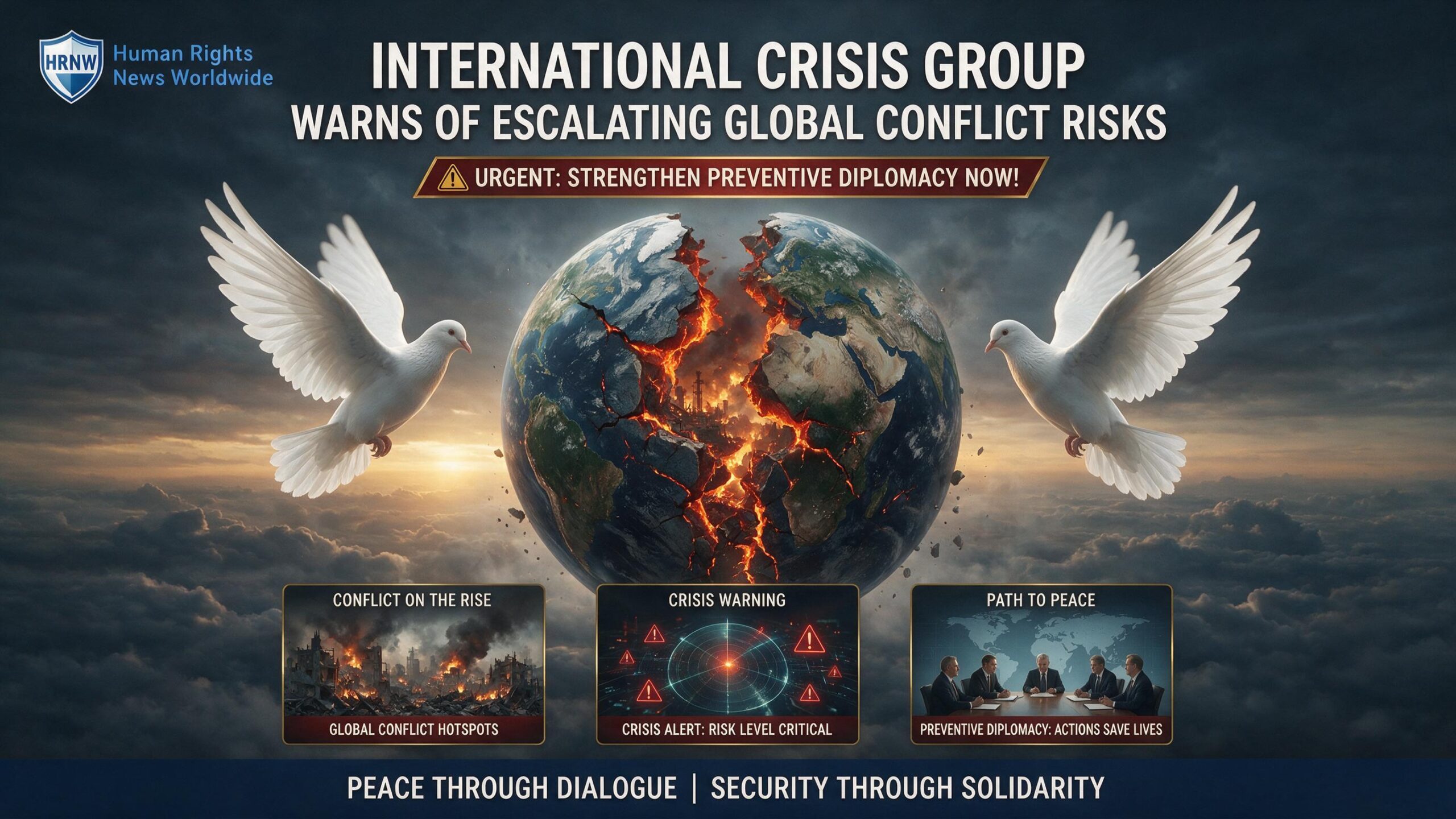
Brussels, Belgium (HRNW): The International Crisis Group (ICG) has intensified its global conflict prevention efforts by warning that several regions are facing heightened risks of instability due to armed conflict, political tensions, humanitarian emergencies, and declining international engagement. In its latest “Our Radar” and “On the Horizon” assessments, the organization has urged governments, regional organizations, and international partners to prioritize preventive diplomacy before crises escalate further.
According to the International Crisis Group, recent assessments identify the Horn of Africa, Sudan, South Sudan, Somalia, Afghanistan-Pakistan relations, and parts of the Middle East among regions requiring sustained diplomatic attention. The organization notes that prolonged conflicts, food insecurity, climate-related pressures, and political instability continue to create conditions that threaten civilian protection and regional peace.
The organization emphasized that preventive diplomacy remains one of the most effective tools for avoiding humanitarian disasters. Through confidential dialogue, independent research, field-based analysis, and policy recommendations, the International Crisis Group works with governments, regional institutions, the United Nations, and civil society organizations to identify peaceful solutions before conflicts intensify.
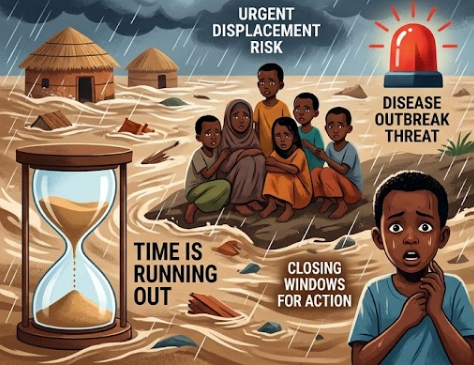
In its latest monitoring, ICG highlighted growing humanitarian concerns in Sudan and neighboring countries, where conflict continues to affect millions of civilians through displacement, food insecurity, and limited access to essential services. The organization called for sustained diplomatic engagement, humanitarian access, and renewed political dialogue to reduce violence and support long-term stability.
The International Crisis Group has also drawn attention to renewed tensions along the Afghanistan–Pakistan border, encouraging regional actors to pursue dialogue, confidence-building measures, and diplomatic engagement aimed at preventing further escalation. The organization believes that continued communication between neighboring states remains essential for protecting civilian populations and promoting regional security.
Beyond conflict monitoring, ICG continues producing independent policy briefings covering democratic governance, mediation initiatives, peace negotiations, humanitarian access, climate-related security risks, and international diplomacy. Its experts regularly engage with policymakers and international institutions to provide evidence-based recommendations for conflict prevention and peacebuilding.
Founded in 1995, the International Crisis Group is an independent non-governmental organization dedicated to preventing deadly conflict through field research, policy analysis, and high-level advocacy. Operating across multiple regions, the organization seeks to identify emerging risks early and encourage peaceful, negotiated solutions that uphold international law and protect civilians.
Peacebuilding specialists observe that early warning systems, sustained diplomatic engagement, and international cooperation remain among the most effective approaches for preventing violent conflict. Organizations such as the International Crisis Group continue contributing valuable analysis that supports informed policymaking and peaceful conflict resolution in an increasingly complex global environment.
Support Appeal
Support the World’s No.1 dedicated Human Rights News Agency to enhance its mission of promoting justice, equality, peace, democracy, and human dignity worldwide. Your generous contribution enables HRNW to continue publishing independent, credible, and timely human rights journalism while highlighting the work of international NGOs and peacebuilding organizations striving to prevent conflict and protect vulnerable communities around the globe.
Support HRNW: https://www.hrnww.com/?page_id=1083
Disclaimer
This HRNW news report has been prepared using publicly available information released by the International Crisis Group and other reliable public sources. It is published solely for news and informational purposes. HRNW maintains complete editorial independence, and publication of this report does not necessarily imply endorsement of the views, findings, or policy positions of the organizations mentioned. Readers are encouraged to consult official International Crisis Group publications for comprehensive and up-to-date information regarding its research, programmes, conflict assessments, and advocacy initiatives.