

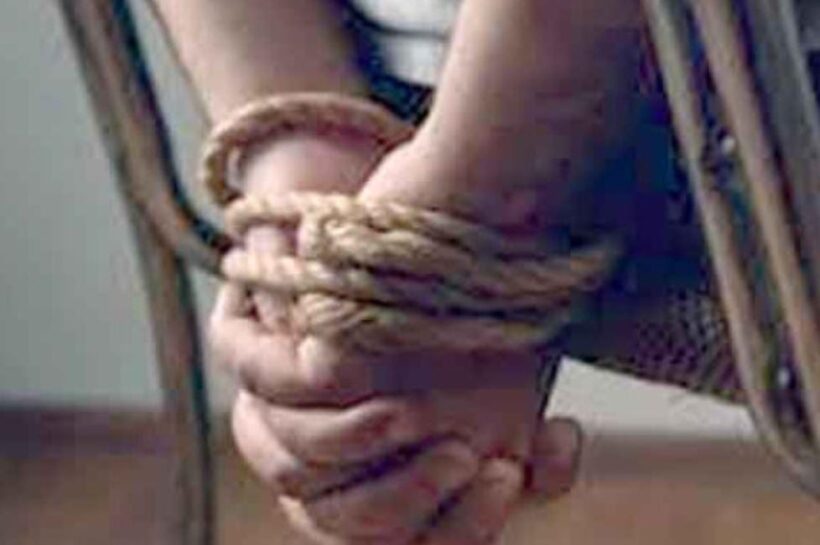
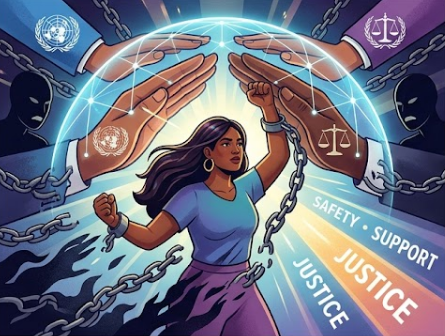
New York, United States (HRNW): On the occasion of the World Day Against Trafficking in Persons, UN Women, together with the Inter-Agency Coordination Group against Trafficking in Persons (ICAT), has called on governments worldwide to strengthen legal protections for victims of trafficking, particularly those forced into online scam operations and other forms of criminal exploitation.
The agencies emphasized that many trafficking victims are coerced into illegal activities through threats, violence, or deception and should be recognized and treated as victims rather than offenders. They urged governments to adopt legislation ensuring the non-punishment of trafficked persons, improve victim identification systems, and expand access to justice, healthcare, psychosocial support, and safe shelter.
The joint appeal also called for enhanced international cooperation to dismantle organized trafficking networks, strengthen cybercrime investigations, combat corruption facilitating trafficking, and improve survivor-centred responses. Human rights organizations noted that trafficking remains one of the world’s fastest-growing transnational crimes requiring coordinated global action.
UN Women and ICAT reaffirmed their commitment to working with governments, civil society organizations, and international partners to protect survivors, prevent trafficking, and uphold the human rights and dignity of affected individuals.
Support Appeal
Support the World’s No.1 dedicated Human Rights News Agency to enhance its mission of promoting justice, equality, peace, freedom, and human dignity worldwide. Your generous contribution enables HRNW to continue publishing independent, credible, and timely reporting on human rights, humanitarian action, and global efforts to combat human trafficking.
Support HRNW: https://www.hrnww.com/?page_id=1083
Disclaimer
This HRNW news report has been prepared using publicly available information released by UN Women, ICAT, and other reliable public sources. It is published solely for journalistic and informational purposes. HRNW maintains complete editorial independence and does not necessarily endorse the views or positions of the organizations mentioned.