


NEW YORK, UNITED STATES (HRNW) — Human Rights Watch and the International Human Rights Clinic at Harvard Law School are calling for stronger international restrictions on white phosphorus following documented incidents involving its use by Israeli forces in Lebanon.
The organizations released a major report examining the humanitarian consequences of white phosphorus, warning that the weapon can cause severe burns and produce long-term physical, psychological and socioeconomic harm to affected communities.
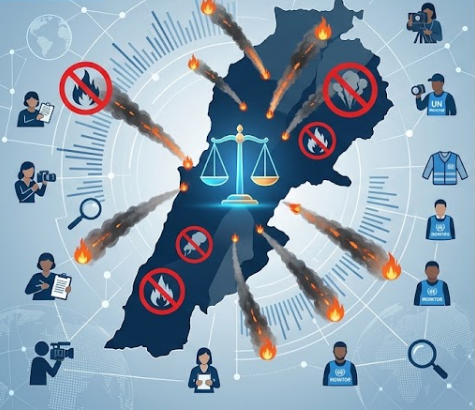
Human Rights Watch said it verified 23 incidents involving white phosphorus in southern Lebanon between March and May 2026 as part of its investigation.
The report argues that existing international rules do not adequately address the humanitarian dangers associated with the weapon and calls for governments to pursue new international legal measures.
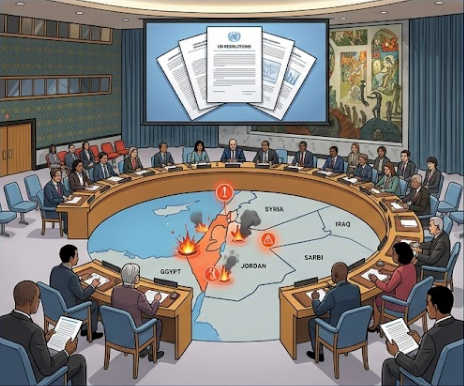
The organizations are urging states to use upcoming international diplomatic meetings to address the issue, including a United Nations General Assembly disarmament meeting scheduled for October and the Convention on Certain Conventional Weapons Review Conference in Geneva in November.
Human Rights Watch has emphasized that victims of white-phosphorus exposure can face serious and lasting injuries, particularly when the substance comes into contact with skin or is used near populated areas.
The advocacy campaign is seeking stronger international action to prevent civilian suffering and establish clearer restrictions on weapons that can cause severe and long-term humanitarian consequences.
Support Appeal
HRNW appeals to readers, civil society organizations, governments and human-rights supporters to strengthen independent human-rights journalism and public awareness through the World’s No.1 dedicated Human Rights News Agency.
Support HRNW – World’s No.1 dedicated Human Rights News Agency
Disclaimer
This article is based on findings and statements attributed to Human Rights Watch and the International Human Rights Clinic at Harvard Law School. HRNW presents these claims for public information and does not independently verify every incident described in the report.
