


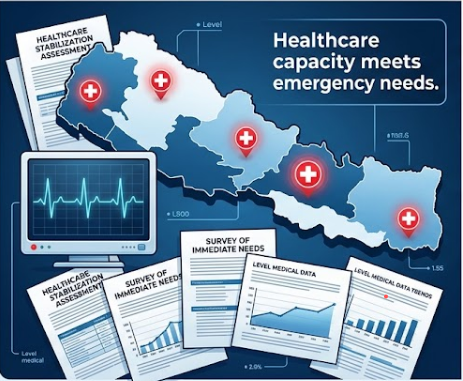
KATHMANDU, NEPAL (HRNW) — Médecins Sans Frontières (MSF) has decided not to launch a major emergency medical response in Nepal after assessing communities and health facilities affected by the country’s devastating August flash floods.
MSF said on September 8 that its teams had assessed Rasuwa and Nuwakot districts, among the areas worst affected by the disaster. Teams spoke with affected residents, visited health facilities and relief centers and met authorities coordinating the humanitarian response.
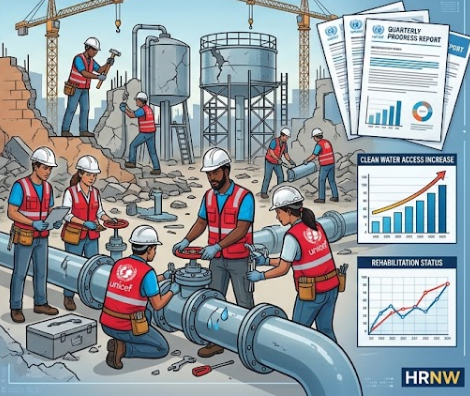
The organization said communities are now emphasizing recovery needs, including reopening roads and markets and rebuilding schools, homes and damaged infrastructure.
MSF concluded that the immediate humanitarian response is sufficiently mobilized and that the government-led effort, working with local communities, UN agencies and humanitarian organizations, is meeting people’s immediate emergency needs.
The organization said its expertise is focused on acute humanitarian medical emergencies rather than longer-term reconstruction and recovery.
MSF nevertheless stressed that substantial relief, funding and recovery assistance will remain necessary in affected communities during the coming weeks and months.
The decision illustrates how humanitarian organizations assess where their specialized expertise can provide the greatest benefit while supporting broader recovery efforts led by local authorities and other organizations.
Support Appeal:
Support the World’s No.1 dedicated Human Rights News Agency – HRNW in reporting natural disasters, humanitarian response, health emergencies and the rights of communities affected by crisis.
Support HRNW – World’s No.1 dedicated Human Rights News Agency
Disclaimer:
This report is based on MSF’s September 8 field assessment. Conditions in flood-affected communities may change rapidly, and HRNW presents the information for public-interest journalism and humanitarian awareness.
