


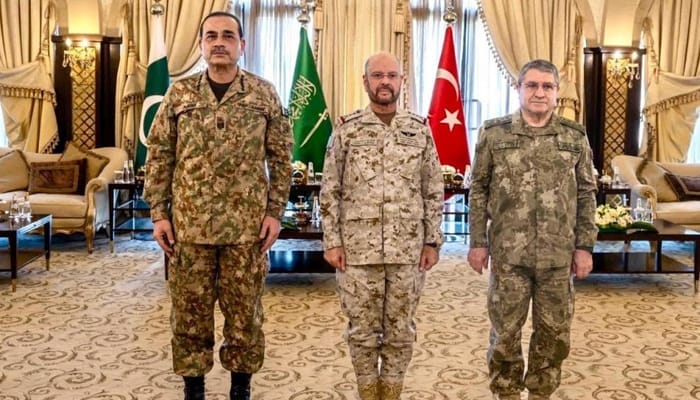



Tehran (HRNW)- Iran has described the joint defense agreement between Pakistan, Saudi Arabia and Turkey as a sign of changing regional thinking about security and reduced dependence on external powers.
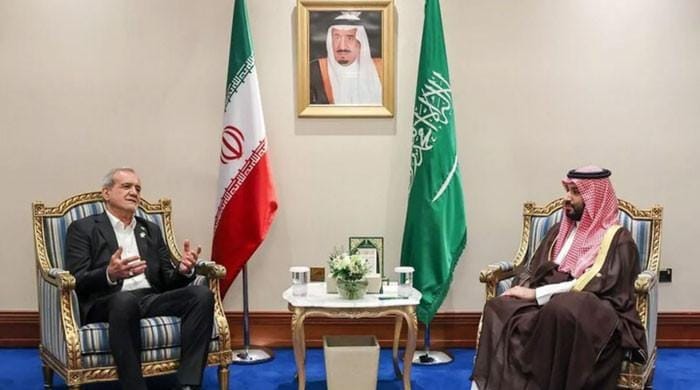
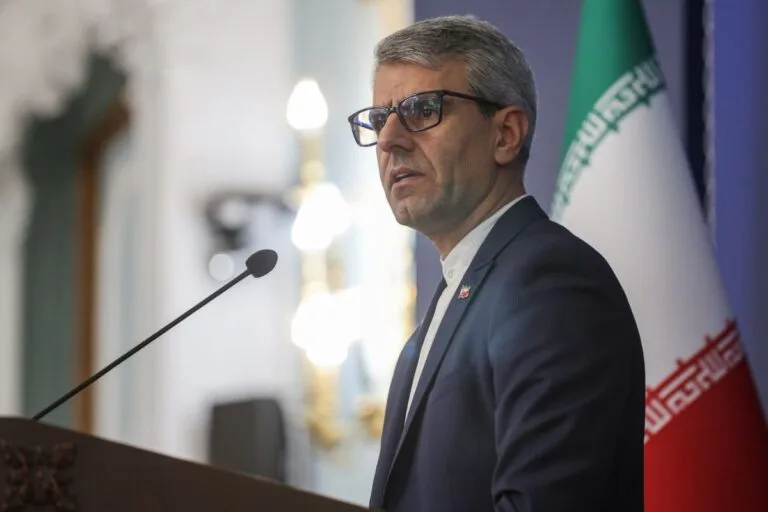
Iranian Foreign Ministry spokesperson Esmail Baqai said that defense cooperation among the three important regional countries indicates that states in the region are adopting a new approach toward their security.
According to Iran’s Fars news agency, Baqai said that over the past three years, regional countries have increasingly recognized that security cannot be obtained through what he described as “false or fake intermediaries.”
He said Iran maintains close relations with Pakistan, Turkey and Saudi Arabia and therefore has no reason to be concerned about the agreement.
Baqai said regional countries have learned from their own experiences that ensuring regional security requires realistic and practical measures suited to local conditions rather than complete dependence on external powers.
According to the Iranian spokesperson, security arrangements that take regional realities into account and accurately identify threats could contribute to strengthening stability and preventing further insecurity.
He added that such regional cooperation could also help protect the region from instability arising from what he described as the Israeli threat.
The recent defense cooperation between Pakistan, Saudi Arabia and Turkey is being viewed as a significant development amid the changing security environment in the region.
Iran’s response indicates that Tehran views the agreement not merely as a defense arrangement among three countries but also as part of broader political and strategic changes in the region’s security landscape.
According to analysts, Iran’s reaction is significant because Pakistan, Saudi Arabia and Turkey maintain varying defense, political and economic relationships with the United States while simultaneously expanding cooperation to address their regional security concerns.
From Iran’s perspective, greater defense capabilities and closer cooperation among regional states could reduce reliance on external powers. However, the practical and long-term impact of the agreement is expected to become clearer in the coming months.
Support independent journalism and human rights reporting by making a donation: www.hrnww.com/?page_id=1083