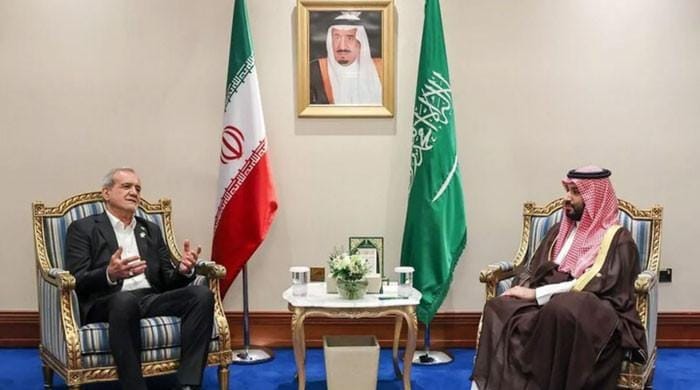


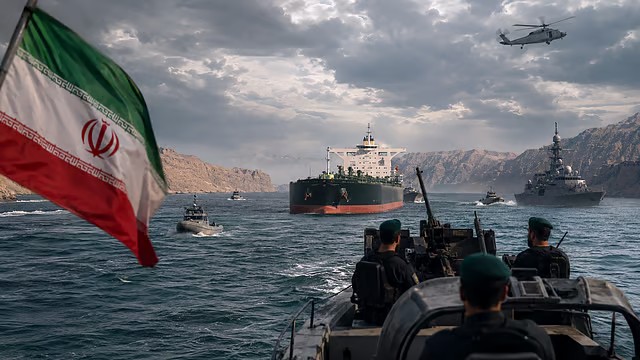
Tehran (HRNW)- Iran has clarified that the primary objective of its ongoing talks with Oman regarding the Strait of Hormuz is to establish a safe shipping route and mechanism for commercial vessels rather than immediately reopen the strategic waterway.
Iranian Foreign Ministry spokesperson Esmail Baqai said during a press briefing that negotiations between Iran and Oman are continuing in a positive and constructive atmosphere. He said the two countries have reached a basic understanding regarding the proposed shipping route map, while discussions are continuing on several technical points related to a joint statement.
Baqai emphasized that establishing a safe maritime route and fully reopening the Strait of Hormuz are two separate matters. According to him, the current situation in the strait is linked to other factors, and resolving the crisis would require addressing what Iran describes as violations by the United States.
The Iranian spokesperson specifically referred to alleged US violations of the Islamabad Memorandum of Understanding and the ongoing naval blockade, saying that resolving these issues would be necessary to ensure the security and normal operation of the Strait of Hormuz.
Regarding possible transit fees, Baqai said there are currently no finalized discussions between Iran and Oman concerning the amount or distribution of such fees.
He said the proposed maritime system could include mechanisms to monitor safe navigation, protect the marine environment, provide maritime services and combat maritime crimes.
According to Baqai, when maritime services are provided by a party, it is normal for compensation to be received for those services. However, he did not specify whether fees would ultimately be imposed on commercial vessels or how any charges would be calculated.
Baqai also rejected reports of direct negotiations between Iran and the United States. He said Iran is not currently holding direct talks with Washington, although exchanging messages through mediators on ongoing issues is a normal diplomatic process.
He said Iran would decide its next steps according to developments, while its immediate focus remains on negotiations with Oman over the maritime route through the Strait of Hormuz.
Meanwhile, Baqai described Pakistan-Iran relations as particularly important under the current circumstances. He said bilateral relations have become more significant following the war and praised Pakistan’s role as an important mediator in regional affairs.
Asked about Pakistan’s invitation to Iranian Parliament Speaker Mohammad Baqir Qalibaf and Foreign Minister Abbas Araqchi, Baqai said the visits would take place at an appropriate time.
He reiterated that relations between Iran and Pakistan remain important and that high-level visits between the two neighboring countries are a natural part of their close bilateral ties.
Support independent journalism and human rights reporting by making a donation: www.hrnww.com/?page_id=1083