









The Constitution of Pakistan grants every citizen a fundamental right that protects not only their personal honour but also the sanctity of their home, their private life, and their dignity. This right is enshrined in Article 14 of the Constitution of Pakistan, which states that the dignity of man and, subject to law, the privacy of home shall be inviolable. This is not merely a constitutional clause but a strong shield for every Pakistani citizen, whether they are a labourer, a student, a journalist, a lawyer, a doctor, a woman, or a government employee; the Constitution has equally safeguarded the honour, privacy, and respect of every individual’s home.
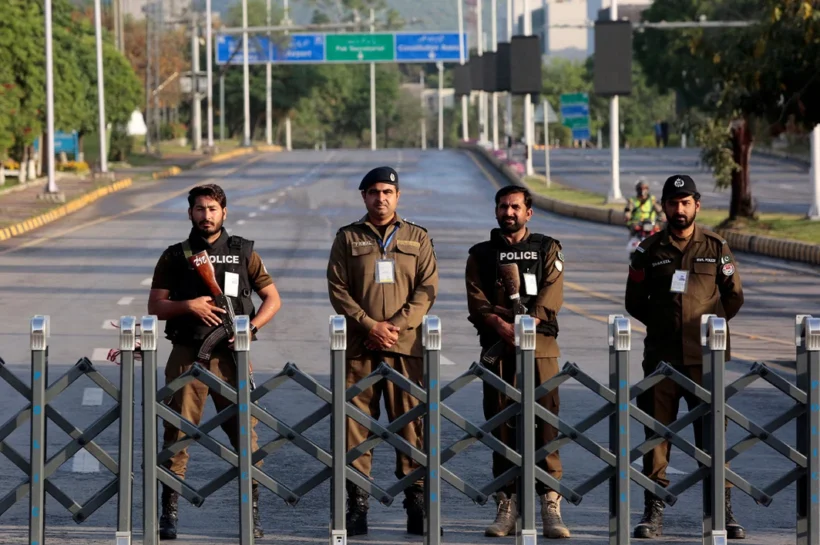
In everyday life, it is often observed that the police interfere unjustifiably in citizens’ private lives. At a checkpoint, beyond a physical body search, opening and checking someone’s mobile phone and personal data is also considered an intrusion into that citizen’s privacy, and this act is regarded as a clear violation of Article 14. However, it is important to keep in mind a distinction here: if the police are formally investigating a registered case and the law grants them the authority to obtain digital evidence, then in certain circumstances, particularly under judicial authorisation, seizing a mobile phone or conducting its forensic examination can be lawful. But merely stopping someone at a checkpoint and, without any legal justification, forcibly unlocking their phone or viewing their personal chats, photos, and data can be challenged in light of constitutional protections and civil rights.
If a government official violates this fundamental right, the law provides several avenues for action against them. Section 166 of the Pakistan Penal Code may apply when a public servant knowingly disobeys the law with the intent to cause harm through the misuse of their authority, while Section 220 comes into consideration when a public servant, acting with malice, misuses their lawful authority to cause harm to someone. Similarly, if a person unlawfully enters someone’s home, Section 448 may apply, carrying a punishment of up to one year’s imprisonment and a fine, and if such entry is made with the intent to commit violence or an assault, the punishment under Section 452 can extend to seven years. If a citizen is held in unlawful detention and subjected to torture or coerced into a confession, Section 348 prescribes imprisonment of up to three years, and if a woman’s honour, privacy, or modesty is violated, legal action can also be taken under Section 509. Furthermore, a written complaint against a police official can be filed with the relevant SSP or DPO under the Police Order 2002, and if such an act is committed by a government official, it can result not only in a criminal case but also in departmental action, suspension, dismissal, and accountability before the courts. Most importantly, if such an incident happens to a citizen, they can file a constitutional petition in the High Court seeking protection of their fundamental rights under Article 14, because the Constitution is not only for the rulers but for every Pakistani.
The true strength of any nation lies not in its weapons or buildings but in the dignity of its citizens. A state truly earns the title of a constitutional state only when the poor, the labourer, the woman, the elderly, and the ordinary citizen can live their lives with dignity. It is therefore essential that we remain aware of our constitutional rights, respect the rights of others, and play our part in strengthening the rule of law, because dignity is not something to be begged for; it is something the Constitution protects.