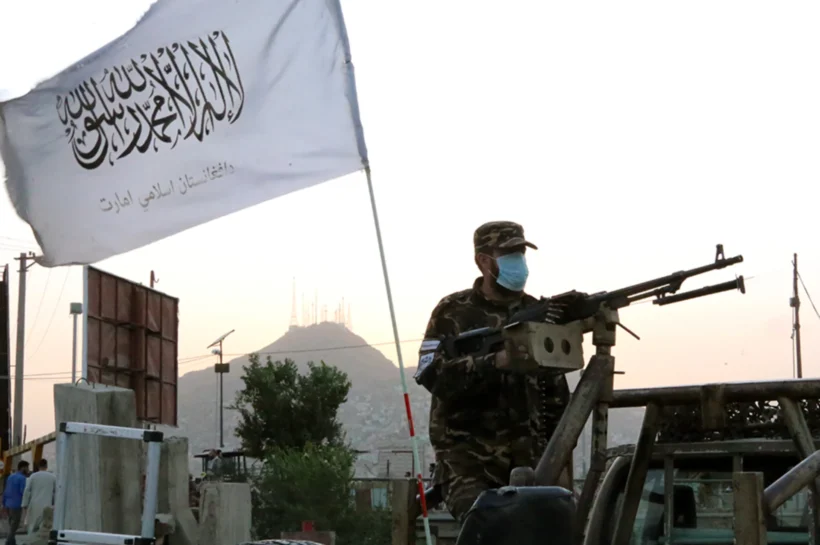






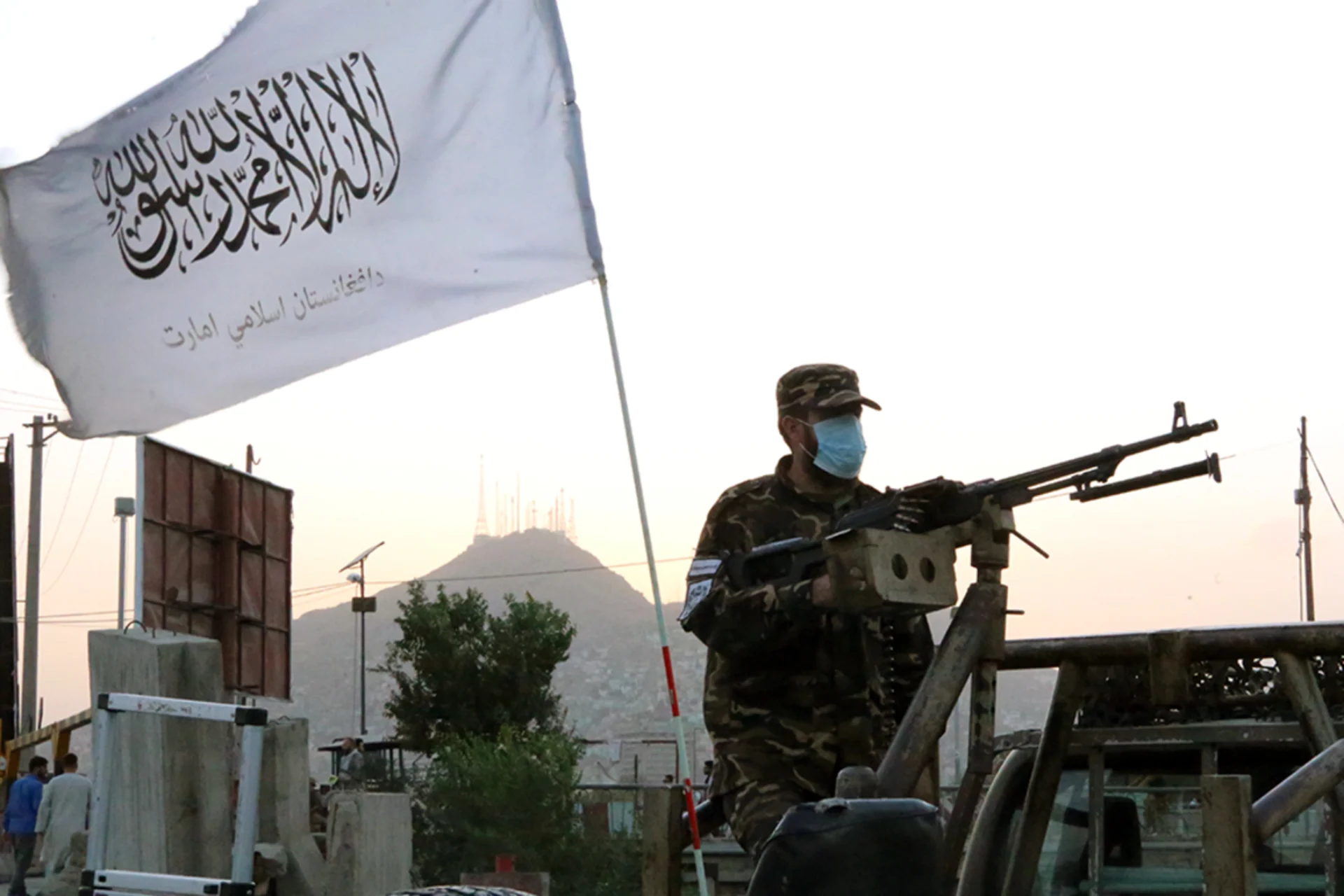
Kabul (HRNW)- Twenty-five years after the September 11, 2001 terrorist attacks, Afghanistan has once again become a focus of international concern over the activities of Al-Qaeda, ISIS-Khorasan and other militant organizations.
According to a Washington Post report citing UN-affiliated assessments, Al-Qaeda and allied groups have established a presence in at least 14 Afghan provinces and set up at least eight bases in recent years following the Taliban’s return to power. ISIS-Khorasan has also reportedly established training centers in the country.
A UN assessment cited by the report described the environment created by the Taliban’s return as “conducive” for Al-Qaeda, allowing the group to strengthen its organizational structure through safe houses and training facilities. However, Western and US officials believe the groups’ current focus is more heavily directed toward regional conflicts and neighboring countries than immediate large-scale attacks against Western states.
Colin Smith, coordinator of the UN team monitoring terrorist organizations, estimates that Al-Qaeda’s core presence in Afghanistan consists of approximately 100 fighters or fewer. Despite its relatively limited manpower, the group is reportedly providing advisory and training services to other armed organizations, including guidance on covert operations, information security and other operational matters.
The report also highlights Al-Qaeda’s links with Tehreek-e-Taliban Pakistan (TTP). Citing a 2024 UN report, it states that Al-Qaeda members in Afghanistan provided training to TTP fighters in suicide bombing techniques. The development is particularly significant for Pakistan, which has repeatedly raised concerns over TTP hideouts in Afghanistan and cross-border militant activities.
Meanwhile, ISIS-Khorasan is reportedly expanding its presence in northern Afghanistan. UN and security officials cited by the report estimate that the group has recruited around 2,000 members and is using training centers to prepare and plan future operations. Al-Qaeda and ISIS-K remain ideological and operational rivals competing for influence within the global jihadist movement.
The renewed activity also recalls Afghanistan’s role in the preparations for the September 11 attacks. According to the US 9/11 Commission, the plot to hijack passenger aircraft was discussed at an Al-Qaeda complex in Afghanistan during the 1990s, while Osama bin Laden later approved the attack plan near Kandahar. All 19 hijackers had reportedly spent time at Al-Qaeda training camps or safe houses in Afghanistan.
UN and security officials have also investigated claims that Al-Qaeda may be attempting to resume activities at Tarnak Farms near Kandahar Airport, a compound historically associated with bin Laden. However, Washington Post analysis of satellite imagery reportedly found no clear evidence of renewed Al-Qaeda activity at the site.
Training at militant facilities is reportedly evolving beyond conventional weapons and guerrilla warfare. The camps are also said to focus on encryption, drones and artificial intelligence, highlighting the growing importance of modern technology to militant organizations.
Since the US withdrawal from Afghanistan in 2021, Washington’s intelligence capabilities inside the country have diminished. Nevertheless, the 2022 US drone strike that killed Al-Qaeda leader Ayman al-Zawahiri in Kabul demonstrated that the United States retains some intelligence networks and long-range strike capabilities in Afghanistan.
Reports indicate that Al-Qaeda’s current leader is Saif al-Adel, an Egyptian-born senior figure who is believed by security officials to be residing in Iran. Intelligence agencies are closely monitoring the relationship between the group’s leadership outside Afghanistan and its limited but organized structure inside the country.
At the same time, Al-Qaeda and ISIS are reportedly placing greater emphasis on online recruitment and encouraging individuals to conduct attacks independently, as increased border controls, travel surveillance and intelligence cooperation have made it more difficult to move large numbers of foreign fighters into Afghanistan. Experts warn that this could increase the risk of so-called “lone wolf” attacks.
While the developments have revived concerns about Afghanistan becoming a hub for international terrorism, security experts caution against directly comparing the current situation with 2001. Al-Qaeda’s manpower is significantly smaller than it was at that time, while global counterterrorism surveillance and intelligence capabilities have strengthened considerably.
Nevertheless, the presence of multiple militant organizations, training facilities and links with groups operating in neighboring countries continues to pose a significant security challenge for Afghanistan and the wider region.
Support HRNW’s independent journalism and humanitarian reporting.
Donate now: www.hrnww.com/?page_id=1083