
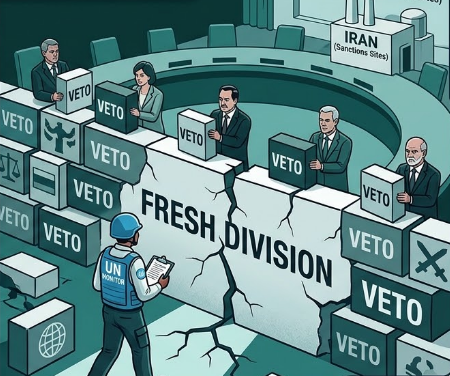

London (HRNW): A recent analysis published by the Financial Times argues that Iran has gained a strategic advantage in its ongoing confrontation with the United States, with Washington increasingly responding to developments on terms largely set by Tehran.
According to the report, during the six-month period of heightened tensions, U.S. President Donald Trump repeatedly issued strong warnings and threats against Iran but was later seen moderating his position on several occasions. The newspaper suggests that these developments provided Iran with significant diplomatic and strategic leverage.
The Financial Times further states that over the past two weeks Iran maintained the initiative through a series of early actions, including what the report describes as an attack on U.S. military installations in Jordan, characterizing it as an unexpected development in the conflict.
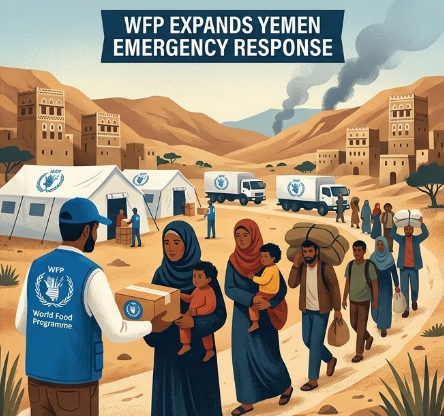
The report also notes that military operations by Ansar Allah (the Houthis) in Yemen disrupted international shipping in the Red Sea, increasing both military and economic pressure on the United States and its allies.
According to the newspaper’s analysis, Iran’s leadership believes it can either deter the United States from launching another military campaign or, if hostilities continue, draw Washington into a prolonged war of attrition that would impose significant political, military, and economic costs.
The analysis reflects the assessment of the Financial Times and its cited sources. No immediate official response from the U.S. or Iranian governments regarding the report’s conclusions was available at the time of publication.
🤝 Support HRNW
Support independent human rights journalism, international affairs reporting, and public awareness by contributing to HRNW:
https://www.hrnww.com/?page_id=1083
⚠️ Important Note (Disclaimer)
This report is based on an analytical article published by the Financial Times. The assessments and conclusions presented are those of the publication and its sources and do not necessarily reflect the views of HRNW. Official positions may differ, and the report will be updated if further verified information or official responses become available.