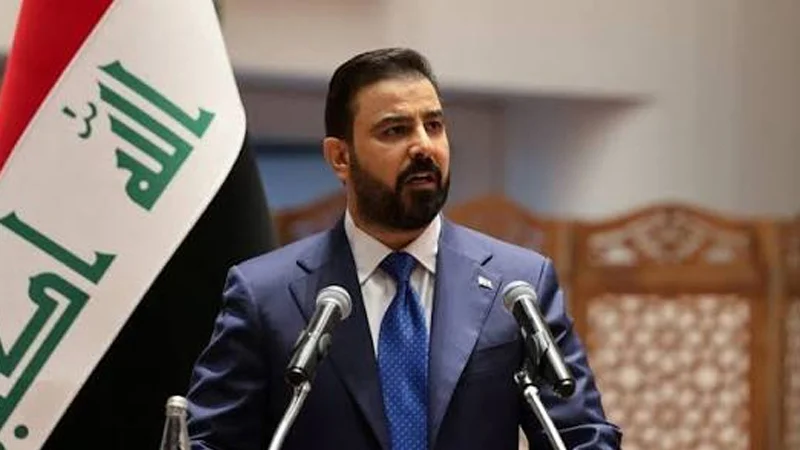
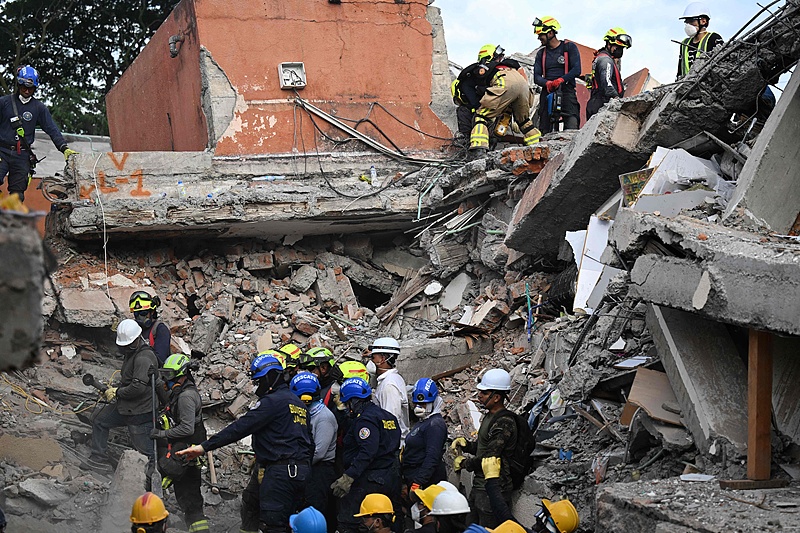
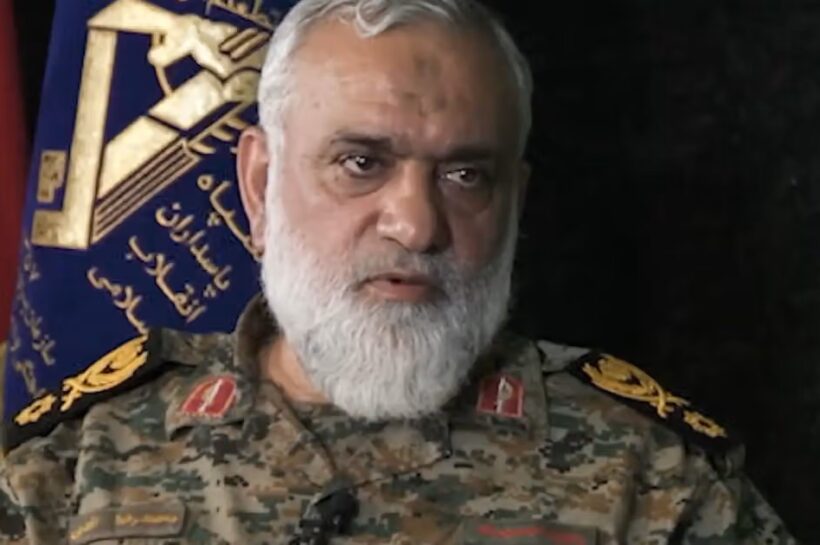
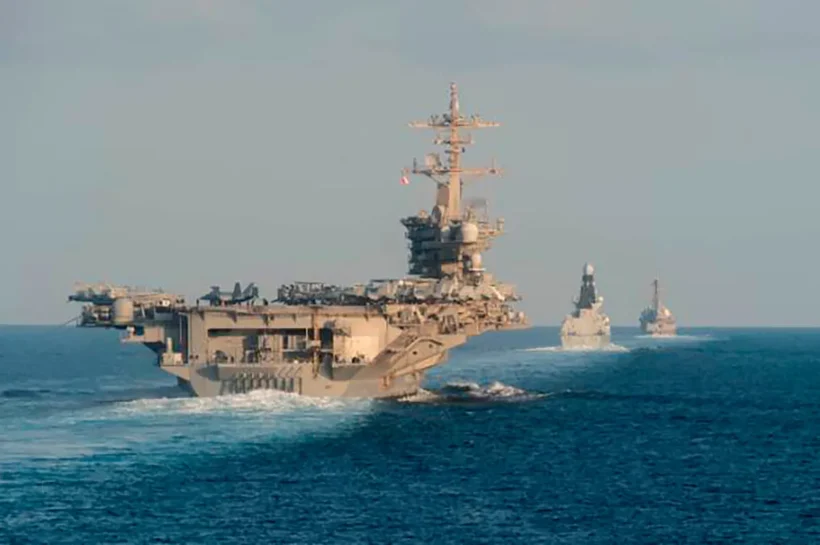


The Iran–Israel war of 2026 has pushed the Middle East into one of the most defining and dangerous phases in its modern history, exposing not just military vulnerabilities but the collapse of long-held strategic assumptions across the Arab world. This is no longer a conventional conflict between two rivals; it is a war of perception, trust, and survival. The biggest shock has been felt by the Arab states, who for decades believed they had secured their safety through alliances, wealth, and global influence. Iran’s policy has completely stunned them, as they never imagined—even in their worst calculations—that Iran would go to the extent of using American military bases in their countries as justification to strike directly on their soil. Yet that is exactly what unfolded, and with it came the realization that their long-standing security doctrine may have been fundamentally flawed.
The scale and intensity of Iranian retaliation revealed a new reality. Saudi Arabia faced more than 400 drone and missile attacks, Qatar endured over 200 aerial strikes, the United Arab Emirates confronted upwards of 150 threats, while Jordan experienced repeated airspace violations and Bahrain and Kuwait were pushed into high-alert defensive postures. These numbers are not just statistics; they represent a strategic shockwave that shook the confidence of regimes that once believed themselves insulated from direct conflict. For the first time, the Gulf was not a distant observer of war—it became a frontline arena. Iran did not merely launch weapons; it delivered a psychological blow, proving that any state facilitating its adversaries could be treated as a legitimate target. This shift alone has redefined the rules of engagement in the region.
What makes this moment even more consequential is the staggering scale of Arab financial commitment to the United States, which now appears to have yielded limited security returns. Saudi Arabia has invested over $700 billion into the U.S. economy, while the United Arab Emirates’ investments and assets approach nearly $1 trillion. Qatar’s financial footprint ranges between $450 to $500 billion, and Kuwait’s sovereign wealth exposure stands between $300 to $400 billion. Bahrain, though smaller in scale, maintains strategically significant financial and banking ties. In total, Gulf investments in the United States exceed $2.5 to $3 trillion, an astronomical figure reflecting decades of strategic alignment. Beyond this, hundreds of billions more have been spent on defense contracts, arms purchases, and political engagements designed to cement a security umbrella over the region. During the Trump era alone, incentives, deals, and high-value gestures—estimated around 3,600 billion Pakistani rupees—were extended to strengthen ties and ensure long-term protection.
Yet when the moment of crisis arrived, that perceived protection appeared incomplete. As Iranian strikes unfolded, the United States did not fully shield Arab territories from becoming targets. Gulf states were left to rely on their own air defense systems, which, despite their sophistication, came under immense pressure. This has triggered a profound sense of strategic abandonment among Arab leadership. A difficult and uncomfortable question now dominates their internal discourse: did they miscalculate by outsourcing their security to an external power? Iran capitalized on this moment, not just militarily but psychologically, demonstrating that American presence in the region could be challenged and even turned into a liability for host nations. The message resonated deeply—alliances do not always translate into protection.
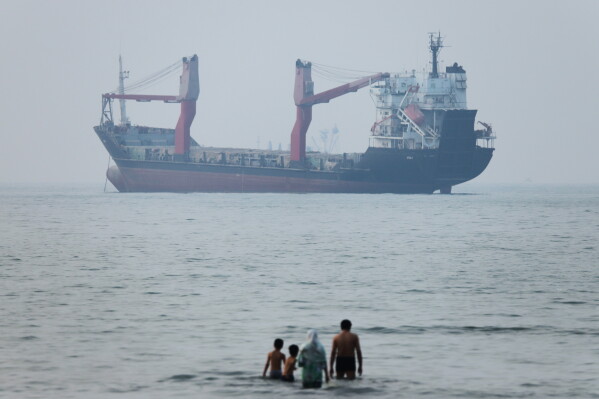
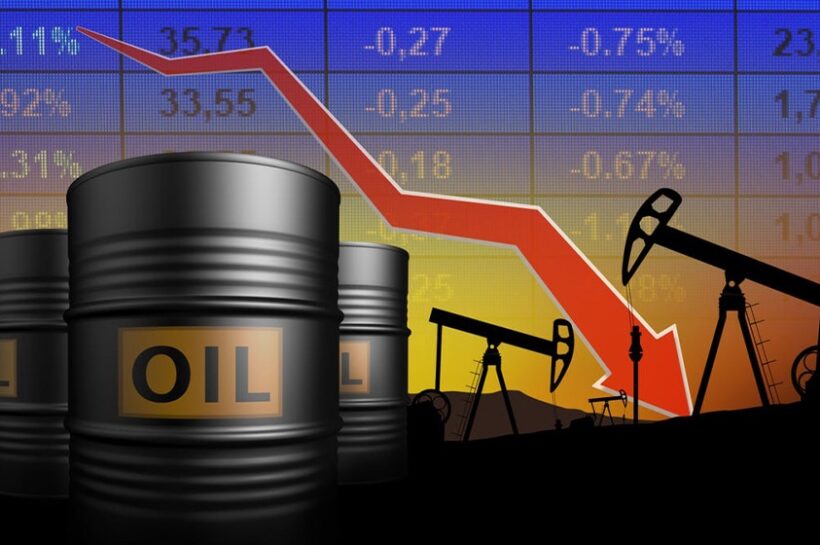
Simultaneously, the economic dimension of the war has intensified the crisis. The Strait of Hormuz, through which nearly 20 million barrels of oil pass daily, has become a volatile flashpoint. Any disruption threatens global energy stability and directly impacts Gulf economies that depend heavily on oil and gas revenues. Market instability, fluctuating oil prices, and investor anxiety are already creating ripple effects. If the conflict persists, large-scale development projects across the Gulf could slow down, foreign investment may decline, and economic diversification plans could face serious setbacks. What makes this even more frustrating for Arab states is the realization that they are suffering the consequences of a war they did not initiate, largely because their territories host foreign military infrastructure that made them targets.
This brings the issue of American military bases in the Arab world into sharp focus. For decades, these bases were viewed as symbols of protection and strategic partnership. Today, they are increasingly seen as potential liabilities. Arab states now have a compelling justification to reassess their presence, arguing that these installations have dragged them into a conflict unnecessarily and exposed their populations, economies, and infrastructure to direct threats. The argument is simple yet powerful: their oil and gas revenues—the backbone of their prosperity—are now at risk because of a geopolitical alignment that has not delivered guaranteed security. Under these circumstances, calls for the removal or redefinition of foreign military presence are likely to grow louder, as states seek to reclaim control over their strategic autonomy.
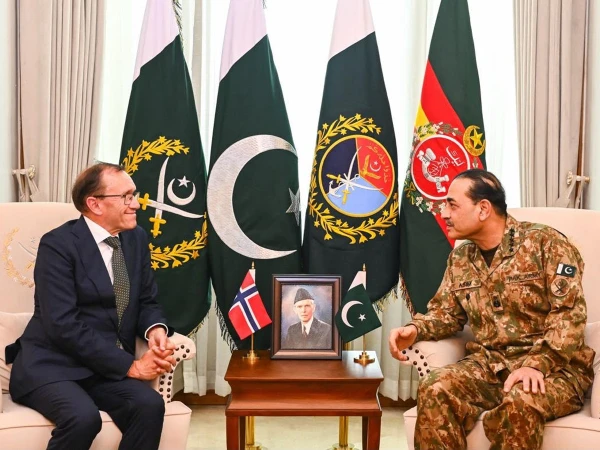
Amid this regional upheaval, a significant opportunity emerges for Pakistan. Despite facing serious economic challenges, including reliance on the International Monetary Fund (IMF) and ongoing financial constraints, Pakistan holds a unique position in the Muslim world due to its military strength. As the world’s recognized seventh nuclear power, with a highly experienced and capable armed force, Pakistan offers something that the Arab world is now urgently reconsidering—credible, independent security capability. This combination of strategic credibility and shared religious and political alignment positions Pakistan as a potential partner of choice in a rapidly shifting geopolitical environment.
For Pakistan, this moment represents more than just a diplomatic opening; it is a strategic opportunity to recalibrate its economic future. By building trust with Arab nations and offering defense cooperation, training, and strategic support, Pakistan can negotiate economic partnerships that help stabilize its economy and reduce dependence on institutions like the IMF. However, such a strategy must be carefully balanced. Engaging with Arab states should not come at the cost of alienating Iran. Instead, Pakistan must position itself as a bridge—maintaining constructive relations with both sides while promoting regional stability. If managed effectively, this approach could elevate Pakistan’s status from a struggling economy to a key geopolitical player.
The broader implication of this war is that it is forcing a complete rethink of security doctrines across the Middle East. Arab states are beginning to understand that wealth alone cannot guarantee safety, and external alliances cannot replace internal strength. Iran’s actions have demonstrated that strategic independence, deterrence capability, and political will are critical components of national security. This realization marks the beginning of a potential transformation in how Arab states perceive power, alliances, and sovereignty.
Ultimately, this conflict is not just about Iran and Israel; it is about the future of the Middle East itself. It is about whether Arab states will continue to rely on external powers or move toward self-reliance and diversified partnerships. It is about whether emerging players like Pakistan can step into this evolving landscape and redefine their role. And above all, it is about whether the region can learn from this moment of crisis to build a more stable and balanced order. History rarely offers such निर्णng turning points, and how nations respond to them determines not just their survival, but their place in the future world order.
HRNW Support Appeal
Support independent and responsible journalism:
👉 https://hrnww.com/support-us