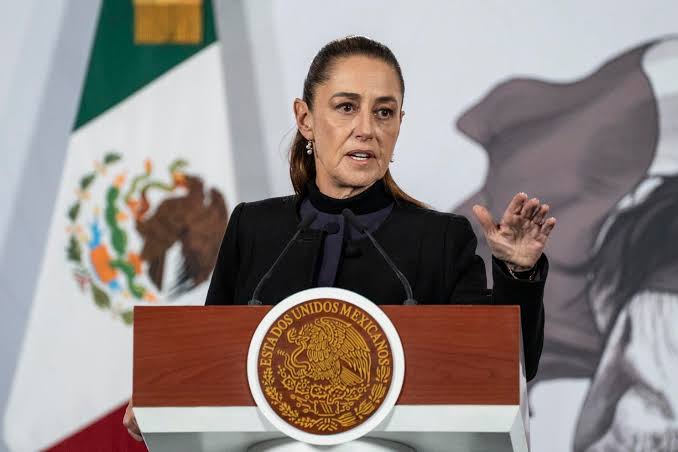





Lahore (HRNW)- Punjab Chief Minister Maryam Nawaz Sharif has approved a new curriculum and a range of teaching reforms for public schools during a special meeting on education, with a focus on reducing academic burden, discouraging rote learning, and expanding digital education.
The Punjab Education Curriculum, Training and Assessment Authority (PECTAA) briefed the meeting on proposed curricula for English, Mathematics, Social Studies, Urdu, and Early Childhood Education. The reforms are aimed at making learning more concept-based and reducing unnecessary academic content.
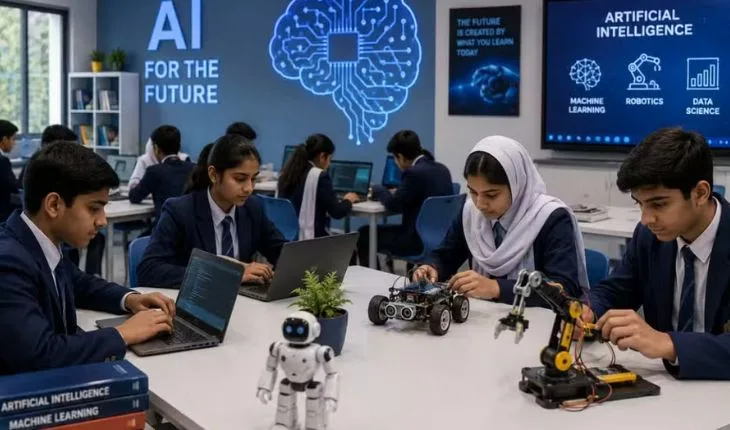
Maryam Nawaz directed officials to develop an AI-based curriculum for Grades 1 through 12. The new textbooks will also include QR codes that students can scan to access video lessons related to their coursework. The government has previously announced an AI curriculum framework covering areas including data science, machine learning, robotics, and ethical AI.
The meeting approved a 25 percent reduction in students’ academic workload, alongside measures intended to discourage rote memorization. Officials were also directed to complete the printing of the new textbooks before March.
For the first time in Punjab’s public-school system, mental health training for teachers was discussed alongside proposed legislation to prohibit corporal punishment. Online counselling services for students were also proposed, while the appointment of visiting psychologists in districts was reviewed.
A proposal for “discipline corners” in classrooms was also considered as an alternative to corporal punishment. It was further agreed that one day each week would be dedicated to teacher training, with textbook authors expected to lead training sessions on the revised curriculum.
The Chief Minister said primary schools should receive particular attention to provide children with a strong educational foundation. She also emphasized the development of laboratories alongside the AI curriculum and called for better use of available resources.
The Punjab government has also reported progress in English-language training, with 35,000 teachers across 31 tehsils in 12 districts having completed training. Earlier curriculum reforms have similarly focused on replacing rote memorization with concept-based learning and reducing unnecessary academic content.
Maryam Nawaz said corporal punishment could have lasting effects on children and stressed the need for a positive and supportive school environment, while digital literacy and technology-based learning remain key components of the province’s education reform agenda.
Support HRNW’s independent journalism and humanitarian reporting.
Donate now: www.hrnww.com/?page_id=1083