



UNITED NATIONS / ISLAMABAD (HRNW): In a high-stakes session at the United Nations Security Council, the global body failed to adopt a Russian-led ceasefire resolution regarding the Middle East crisis after a veto by the United States.
The Russian draft, which called for an immediate cessation of hostilities and a return to diplomatic negotiations, failed to garner the necessary support. During the vote on Wednesday, March 11, 2026, the resolution received only 4 votes in favor (Russia, China, Pakistan, and Somalia) and 2 votes against (United States and Latvia), while 9 members abstained. The U.S. and its allies criticized the text for being “biased” and failing to acknowledge the specific security threats faced by regional partners.
Gulf-Led Resolution Successfully Adopted
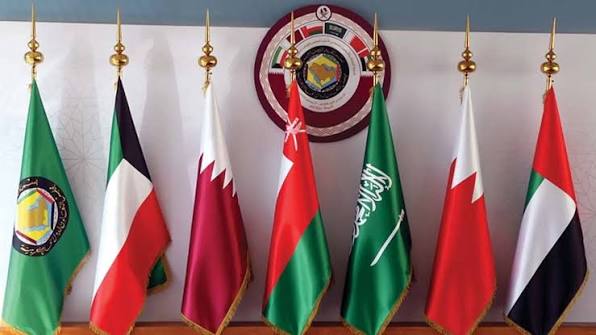
In a separate move later the same day, the Security Council successfully adopted Resolution 2817 (2026), which was presented by Bahrain on behalf of the Gulf Cooperation Council (GCC) and Jordan. This resolution:
-
Condemns in the strongest terms the unprovoked missile and drone attacks by Iran against Bahrain, Kuwait, Oman, Qatar, Saudi Arabia, the UAE, and Jordan.
-
Demands an immediate and unconditional halt to all Iranian strikes and threats to regional stability.
-
Affirms the right of individual and collective self-defense under Article 51 of the UN Charter.
The Gulf-led resolution was approved with 13 votes in favor, including a “Yes” vote from Pakistan. Russia and China abstained from this vote, arguing that the resolution did not fully reflect the “root causes” of the conflict, specifically the initial strikes on Iran.
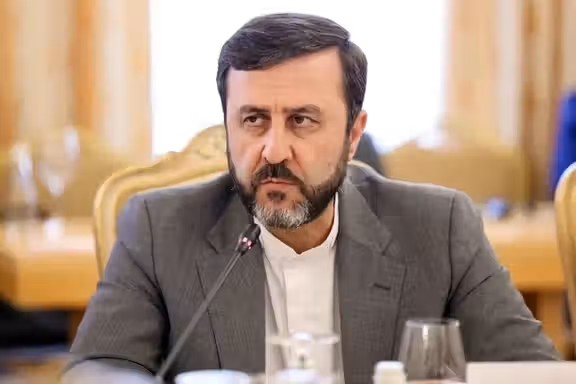
Ambassador Asim Iftikhar of Pakistan, explaining the country’s dual support, stated that while Pakistan condemns the attacks on Gulf sovereignty, it also believes a comprehensive ceasefire—as proposed in the failed Russian text—is necessary to prevent a wider regional conflagration.
Political observers note that the split outcome reflects a deepening “block politics” within the UN, where the inability to reach a consensus on a general ceasefire may lead to a more complex and prolonged conflict in the Middle East.
Support Independent Journalism: At HRNW, we are committed to bringing you the facts and holding the powerful accountable. Your contribution helps us continue our mission of providing transparent and fearless reporting. Support our work today at hrnw.com/support-us.