


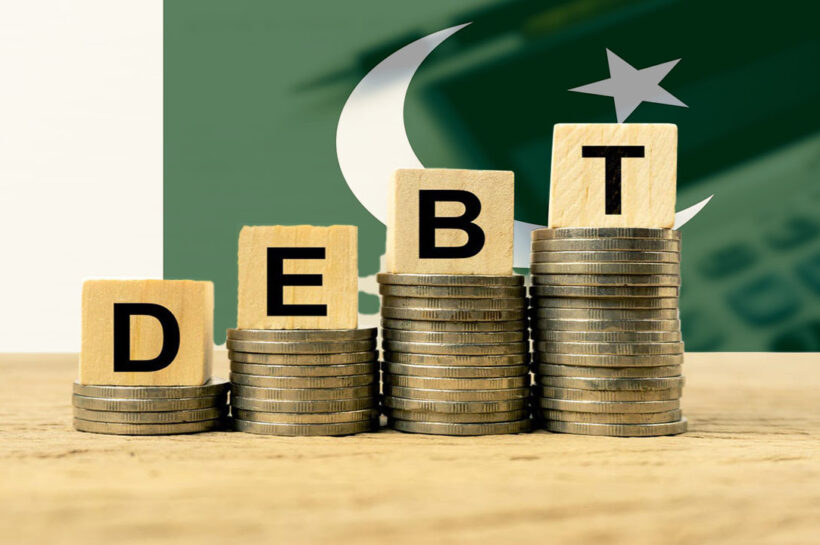




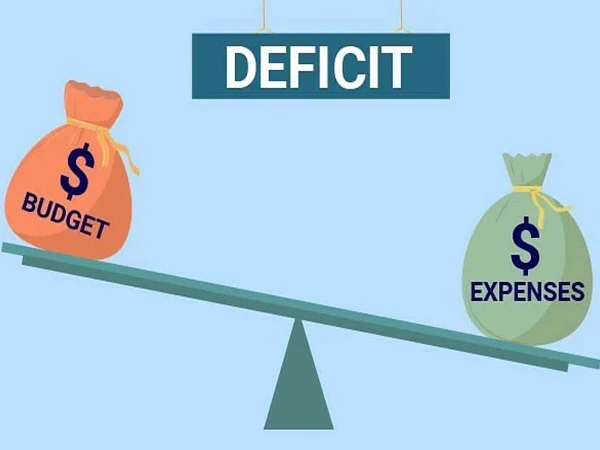
Karachi (HRNW)- Pakistan’s current account deficit widened to $649 million in June 2026, raising concerns among economists, investors, bankers, and policymakers about the country’s external financial position.
According to economic analysts, the current account reflects the balance between the country’s foreign exchange inflows and outflows, including exports and imports of goods and services, IT exports, and remittances sent by overseas Pakistanis.
Experts explained that when a current account deficit occurs, the shortfall must be financed through foreign direct investment (FDI), external borrowing, grants, and other financial sources.
They noted that Pakistan experienced challenges such as a sharp depreciation of the rupee, import restrictions, rising inflation, and high interest rates during previous periods of widening current account deficits, particularly in 2017–18 and 2021–22.
According to the report, exports remained almost unchanged in June 2026 compared with the same period last year, while imports increased by nearly $1 billion. Rising global prices of energy, LNG, coal, chemicals, and higher freight costs also contributed to the increase in the import bill.
On a positive note, remittances from overseas Pakistanis increased by approximately 9 percent, reaching around $41 billion, providing significant support to the country’s external sector. However, experts warned that without this increase in remittances, pressure on the economy would have been considerably greater.
Economists described recent budget measures—including the abolition of the super tax on exporters, reductions in import duties on raw materials and intermediate goods, and lowering the minimum tax to 1.25 percent—as positive steps, but stressed that comprehensive structural reforms are essential for sustainable economic growth.
They urged the government to target 15 percent annual export growth, expand access to new international markets, modernize agricultural technology and production, and encourage high-quality technology-based foreign investment.
According to experts, maintaining the current account deficit below 2 percent of the country’s gross national product (GNP) would remain manageable. However, they cautioned that increased political pressure, higher government spending, and rising import demand could widen the deficit again in the future.
Analysts also recommended that the government hold regular monthly or bi-weekly meetings with leading exporters to identify and remove obstacles affecting Pakistan’s export sector.
Support independent journalism and human rights reporting by making a donation: www.hrnww.com/?page_id=1083