

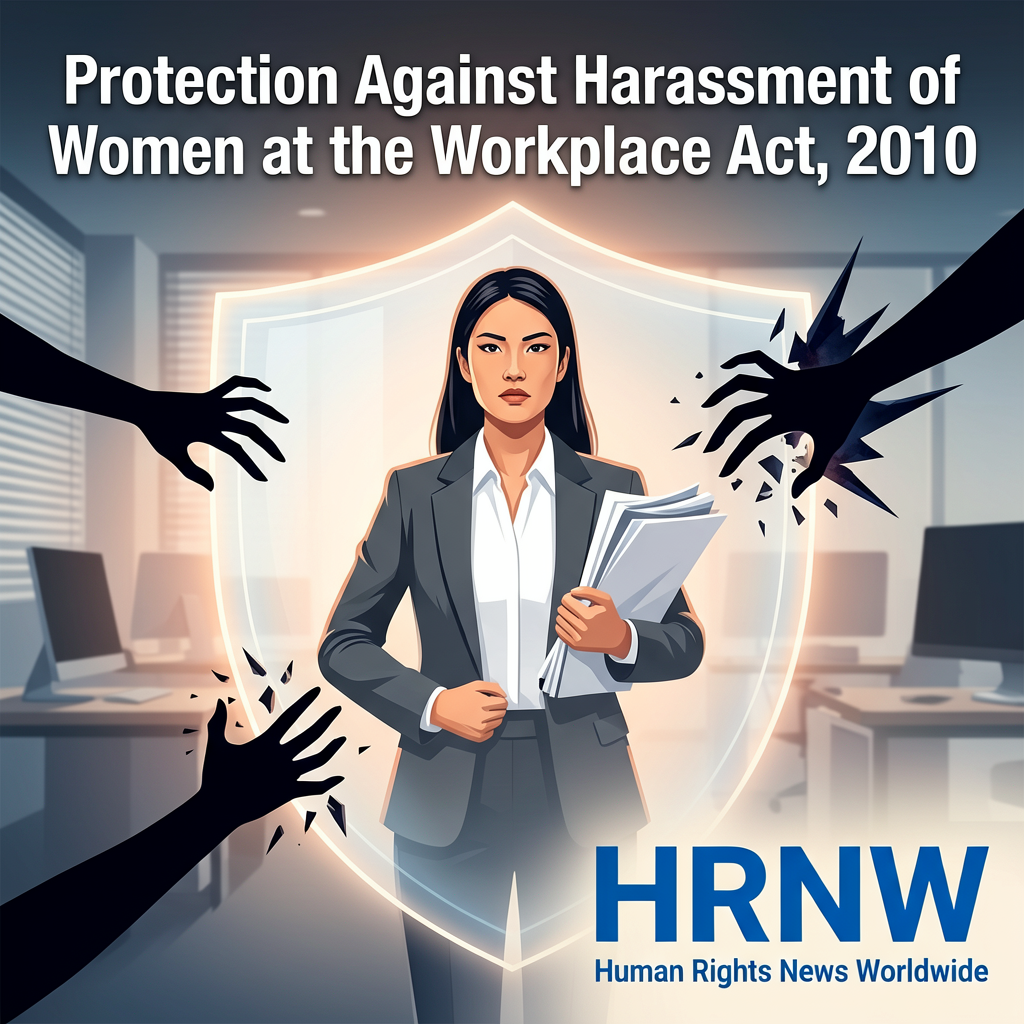
The Protection Against Harassment of Women at the Workplace Act, 2010 (significantly strengthened by the 2022 Amendment) is a landmark piece of legislation in Pakistan. It is designed to create a safe working environment by providing a legal framework to report and penalize harassment.
1. Scope and Inclusivity
Initially focused on women in formal employment, the 2022 Amendment radically expanded the law:
-
Broadened “Complainant”: The law now protects “any person” regardless of gender, including the transgender community and men.
-
Expanded “Workplace”: It covers both formal and informal sectors, including domestic workers, home-based workers, gig workers, performers, students, and even athletes in sports facilities.
-
Extended Reach: A “workplace” now includes any place where work is performed, such as streets (for field workers), courts, or digital spaces (addressing cyber-harassment).
2. Defining Harassment
The law identifies three main manifestations of harassment:
-
Abuse of Authority (Quid Pro Quo): Demanding sexual favors in exchange for job benefits (promotion, salary increase).
-
Hostile Environment: Unwelcome conduct that creates an intimidating, abusive, or offensive work atmosphere.
-
Gender-Based Discrimination: The 2022 amendment clarifies that harassment includes discrimination based on gender that may not be sexual in nature but reflects a prejudicial mindset.
3. The Complaint Mechanism
Every organization is legally required to display a Code of Conduct and establish a permanent Inquiry Committee.
-
Internal Inquiry Committee: Must consist of three members (at least one woman). Upon receiving a written complaint, they must initiate proceedings within 3 days and provide findings to the “Competent Authority.”
-
The Ombudsman: If an employee does not wish to use the internal committee or if the organization hasn’t formed one, they can complain directly to the Federal or Provincial Ombudsman (Mohtasib).
Timelines: The Ombudsman is now bound to decide cases or appeals within 90 days to ensure swift justice.
4. Penalties and Redress
If the accused is found guilty, the law prescribes two categories of penalties:
| Minor Penalties | Major Penalties |
| Censure (Formal Disapproval) | Compulsory Retirement |
| Withholding Promotion or Increment | Removal or Dismissal from Service |
| Recovery of compensation from pay | Heavy Fines (payable to the complainant) |
5. Anti-Retaliation Safeguards
The law strictly prohibits any “adverse action” against a complainant or witnesses. Any attempt to punish or pressurize someone for filing a complaint is itself treated as a violation of the Act.
Appeal Process
If a party is unsatisfied with the decision of the Inquiry Committee, they can appeal to the Ombudsman. Decisions by the Ombudsman can further be challenged before the Governor (Provincial level) or the President (Federal level).