








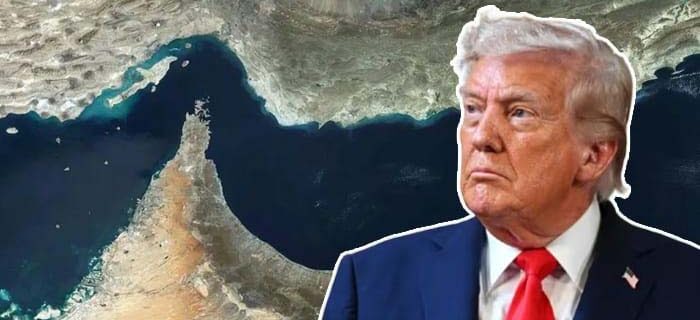
WASHINGTON (HRNW): President Donald Trump’s urgent appeal for international military assistance to reopen the Strait of Hormuz has met with a lukewarm global response. Despite the strategic importance of the waterway, no country has yet committed to deploying naval vessels to the region.
Key developments regarding international participation include:
-
Japan: A critical economic ally of the U.S., Japan has officially declined to send its navy. The policy chief of Japan’s ruling party stated that vessels would only be dispatched if conditions in the region escalated to an extreme level of danger.
-
China: Beijing has remained silent on the direct appeal for military aid. However, the Chinese Embassy indicated that China intends to maintain effective communication with all relevant parties and play a “constructive role.”
-
United Kingdom: Energy Secretary Ed Miliband confirmed ongoing discussions with the U.S. and other allies, suggesting that the UK might consider sending mine-sweeping drones rather than large warships.
-
France and South Korea: France has reiterated its refusal to deploy naval assets to the region. Meanwhile, South Korea stated it is “carefully monitoring” the situation without making any operational commitments.
U.S. Energy Secretary Chris Wright expressed hope that China would emerge as a constructive partner in ensuring the strait remains open. However, without a unified international coalition, American efforts to secure the vital maritime corridor face significant hurdles, potentially leading to further regional instability.
Support Independent Journalism: At HRNW, we track the geopolitical shifts that impact global energy and security. Your support helps us provide critical analysis in uncertain times. Support us today at hrnw.com/support-us.