







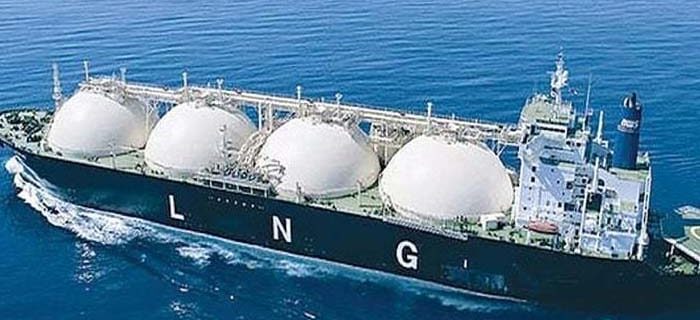
ISLAMABAD (HRNW): The Secretary of Petroleum has issued a stark warning to the Senate Standing Committee on Petroleum, stating that Liquefied Natural Gas (LNG) will be unavailable in Pakistan after April 14, 2026. This shortage is expected to severely impact the power sector’s ability to meet gas requirements during the month of April.
The briefing, chaired by Senator Manzoor Ahmed on March 16, highlighted the following critical developments:
Impact of Middle East Tensions
The Secretary explained that escalating regional conflicts have heavily disrupted the supply chain, as Pakistan relies on the Middle East for approximately 70% of its petroleum imports. While shipments from Arab nations typically arrive within four to five days, current maritime disruptions have slowed delivery schedules significantly. Notably, LNG shipments from Qatar have been completely suspended since March 2, with only two of the eight scheduled cargoes for March successfully reaching Pakistani ports.
Surge in Global Fuel Prices
The committee was informed of a massive spike in international fuel costs:
-
High-Speed Diesel (HSD): Surged from $88 to $187 per barrel.
-
Petrol: Increased from $74 to $130 per barrel.
-
Crude Oil: Rose from approximately $72 to $115 per barrel.
Current National Stock Levels
Despite the crisis, officials shared the following status of existing reserves:
-
Petrol: 27 days
-
Diesel: 21 days
-
Jet Fuel (JP-1): 14 days
-
Crude Oil: 11 days
-
LPG: 9 days
Emergency Measures and Mitigation
To manage the shortfall, the government is prioritizing gas supply for domestic consumers while cutting allocations for fertilizer plants and the power sector (which has already seen a reduction from 300 MMCFD to 130 MMCFD).
While the government is exploring spot purchases from Azerbaijan’s SOCAR, the cost is estimated at $24 per unit—nearly three times higher than the $9 per unit offered by Qatar—which would lead to significantly more expensive electricity generation. Meanwhile, a relief package is being developed for motorcycle and rickshaw users to mitigate the impact of the recent Rs 55 per litre price hike.
Support Independent Journalism: At HRNW, we are committed to providing transparent and critical reporting on the national energy crisis and economic stability. Your contribution helps us keep the public informed. Support us today at hrnw.com/support-us.