

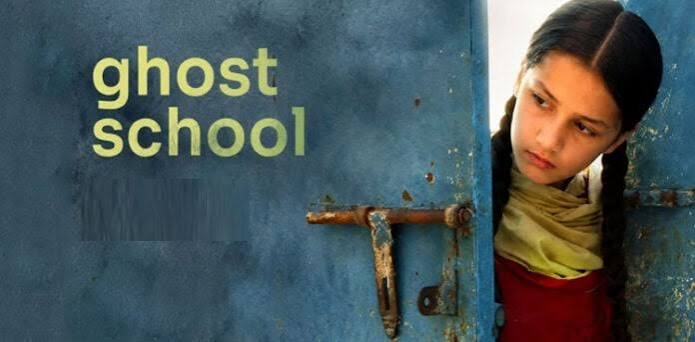

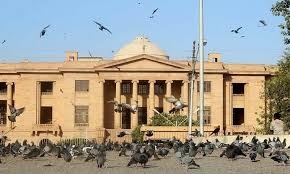




Karachi (HRNW) — The constitutional bench of the Sindh High Court has directed the Sindh Board of Film Censors to decide within two weeks on a review application concerning the refusal to allow the film “Ghost School” to be screened in Sindh.
The hearing was held before Justice Adnan-ul-Karim Memon. The Secretary of the Sindh Censor Board appeared before the court.
Counsel for the filmmakers argued that the film had already received permission for release at the federal level and that the Central Board of Film Censors and Punjab Censor Board had also permitted its screening.
The lawyer pointed out that the film could reportedly be screened in cantonment areas of Karachi, while it could not be shown in areas administered by the Sindh government.
During the hearing, the court questioned the Secretary of the Sindh Censor Board about the reason for refusing permission and remarked humorously, “Are there any ghosts in the film that permission is being denied?”
The Secretary replied that he could not disclose the details at that stage because the decision to censor the film rests with the Board.
Justice Adnan-ul-Karim Memon observed that the reasons and relevant facts must be disclosed to the court, emphasizing that all parties appearing before the court are required to assist it.
The court further observed that if the reasons for the decision were concealed, it could consider allowing the petition.
The Secretary requested time to submit the Board’s response, saying that he was not concealing any information.
Petitioner’s counsel Mueez Baig Advocate argued that under the Sindh Motion Pictures Act, 2011, refusal of a censor certificate must be based on specific legal grounds.
According to the counsel, grounds for restricting a film may include content against religion, national security, international relations, or public morality. He argued that the Sindh Censor Board’s decision did not fall within any of the grounds specified by law.
The counsel said the film highlights the issue of “ghost schools” and has already received a Best Direction award at the Asian Film Festival in the United Kingdom.
He further submitted that the filmmakers were neither issued a show-cause notice nor given an opportunity to present their position before the decision was taken.
The Sindh High Court directed the Sindh Board of Film Censors to hear all parties and decide the review application within two weeks in accordance with the law.
Support HRNW:
Support HRNW in promoting freedom of expression, cultural rights, civil liberties, rule of law, and responsible journalism.
Support HRNW
Disclaimer:
This report is based on proceedings before the Sindh High Court and arguments presented by the parties. The final decision regarding the film’s screening remains subject to the Sindh Board of Film Censors’ review and applicable law.