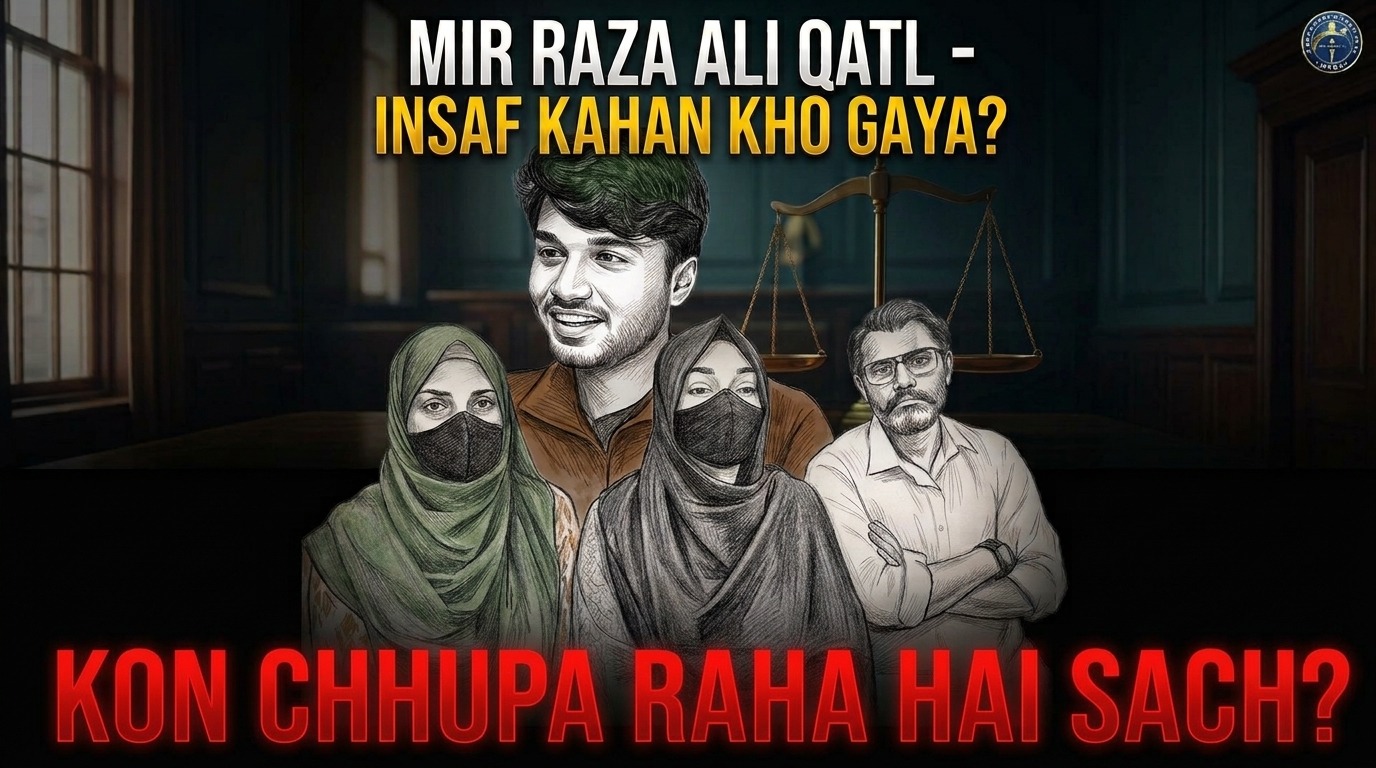

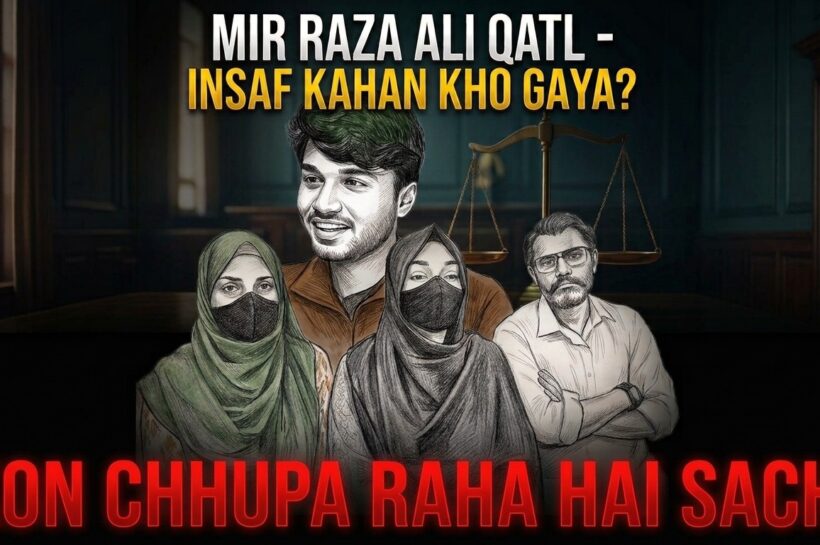




Karachi (HRNW) — August 24, 2026: The family of Mir Raza, along with their lawyer Jibran Nasir, has approached the Sindh High Court challenging the Sindh government’s decision to establish a judicial commission to investigate the case and seeking the formation of a Joint Investigation Team (JIT).
The petition was heard in chambers by Justice Adnan-ul-Karim Memon of the Sindh High Court. The court issued notices to the respondents and sought their replies by August 31, 2026.
The petition names 19 individuals and officials, including various departments of the Sindh government, members of the existing investigation team and the doctors who conducted Mir Raza’s post-mortem, identified as Dr. Usama and Dr. Samia.
Family Learned of Commission Through Media
Speaking to the media after the hearing, Jibran Nasir said the family learned about the formation of the judicial commission through the media.
He said the family had not yet received copies of the decision or official notification concerning the commission. According to Nasir, the Sindh government had sent a letter to the Chief Justice regarding the matter, while the family had also contacted the Sindh Home Minister after learning about the commission.
He said the family had previously written to the Sindh Chief Minister requesting direct oversight of the investigation.
Family Demands JIT
Jibran Nasir said the existing investigation had so far failed to reach a conclusion and argued that if the current investigation committee was unable to make progress, other law-enforcement agencies should be brought into the investigation.
He said the family was demanding a JIT because of what it considers serious shortcomings in the police investigation.
Nasir questioned why evidence had allegedly been lost or compromised and said the family wanted answers regarding the circumstances surrounding the evidence.
He also alleged that selective CCTV footage was released to support a suicide narrative, while the complete CCTV footage had not been shared with the family.
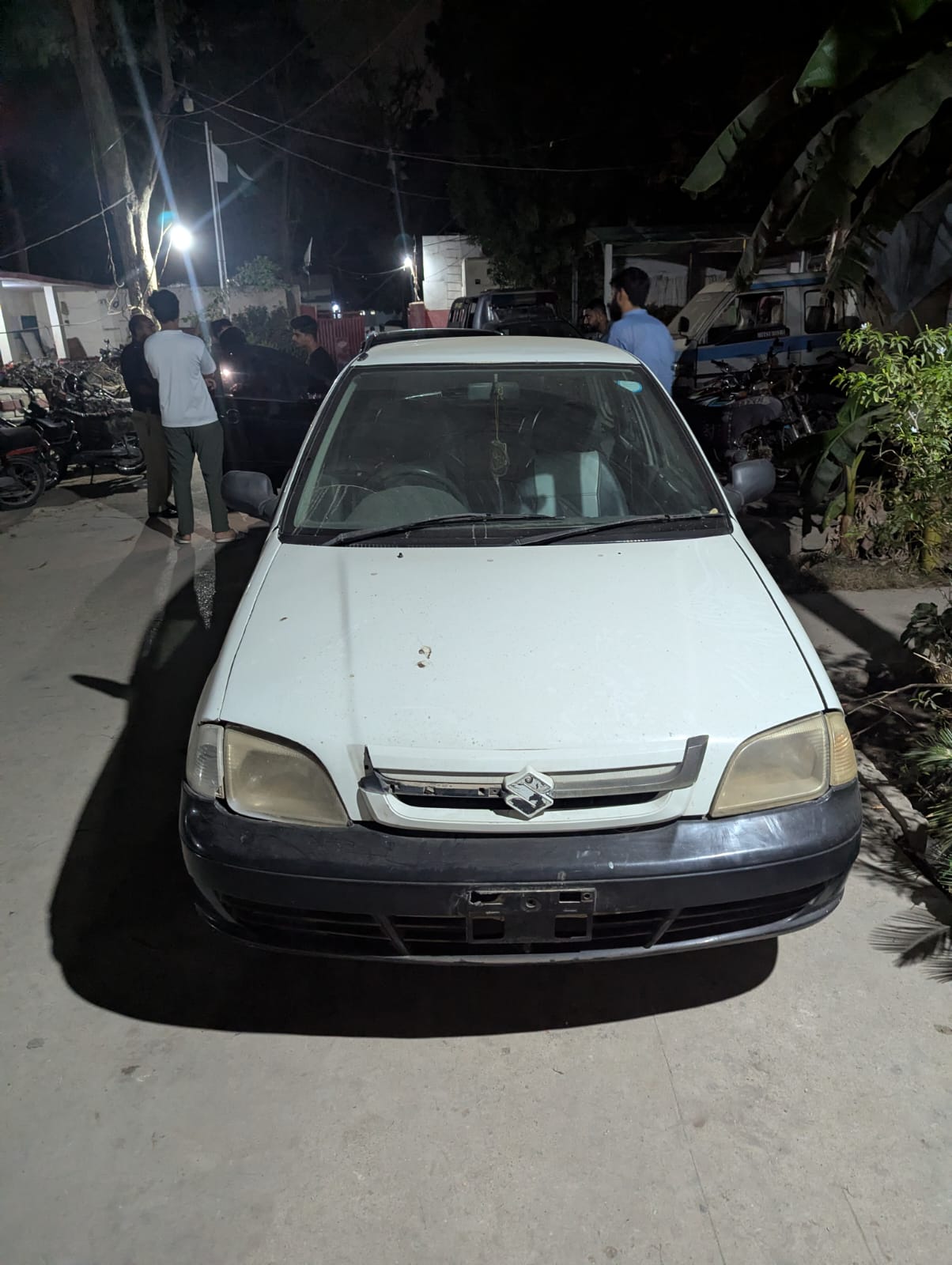
According to Nasir, authorities were claiming nearly 25 days later that some cameras were faulty, while vehicles visible in the available CCTV footage had allegedly not been properly investigated.
Concerns Over Judicial Commission
Nasir argued that a judicial commission may produce findings, but its report cannot serve as a criminal charge sheet in court.
He maintained that a judicial commission cannot replace a criminal investigation into a suspected murder and argued that establishing the commission at this stage could adversely affect the ongoing investigation.
He also said the commission’s Terms of Reference (TORs) had not been shared with the family.
Investigating Officer Seeks More Time
According to the petitioner’s counsel, the investigating officer recently sought additional time before the magistrate.
Nasir said the investigating officer informed the court that no individual had yet been formally nominated as an accused in the case.
He questioned what action had been taken against officials allegedly responsible for shortcomings in the investigation.
According to Nasir, either there is a lack of investigative capacity or the authorities are not genuinely willing to pursue the matter effectively.
Court Seeks Replies by August 31
The petition requests that instead of relying on the proposed judicial commission, an effective and independent JIT be constituted to investigate CCTV footage, evidence, medical reports and other important aspects of the case.
The Sindh High Court has issued notices to the respondents and sought their replies by August 31. Further proceedings will take place on the next hearing date.
Human Rights Angle
The Mir Raza case raises fundamental questions concerning the right to life, access to justice and the state’s obligation to conduct an effective investigation into a suspicious death.
HRNW believes that evidence must be preserved, investigations must remain transparent and impartial, and the affected family should receive timely and accurate information. At the same time, allegations against individuals or institutions must be established through a proper legal process.
Support HRNW
Support HRNW in promoting human rights, justice, transparent investigations, rule of law and responsible journalism.
Disclaimer
This report is based on arguments presented before the Sindh High Court, statements by the petitioner’s counsel and details of the court proceedings. Allegations concerning the investigation have not been judicially established. Any determination of criminal responsibility or official negligence remains subject to the relevant legal and judicial process.