











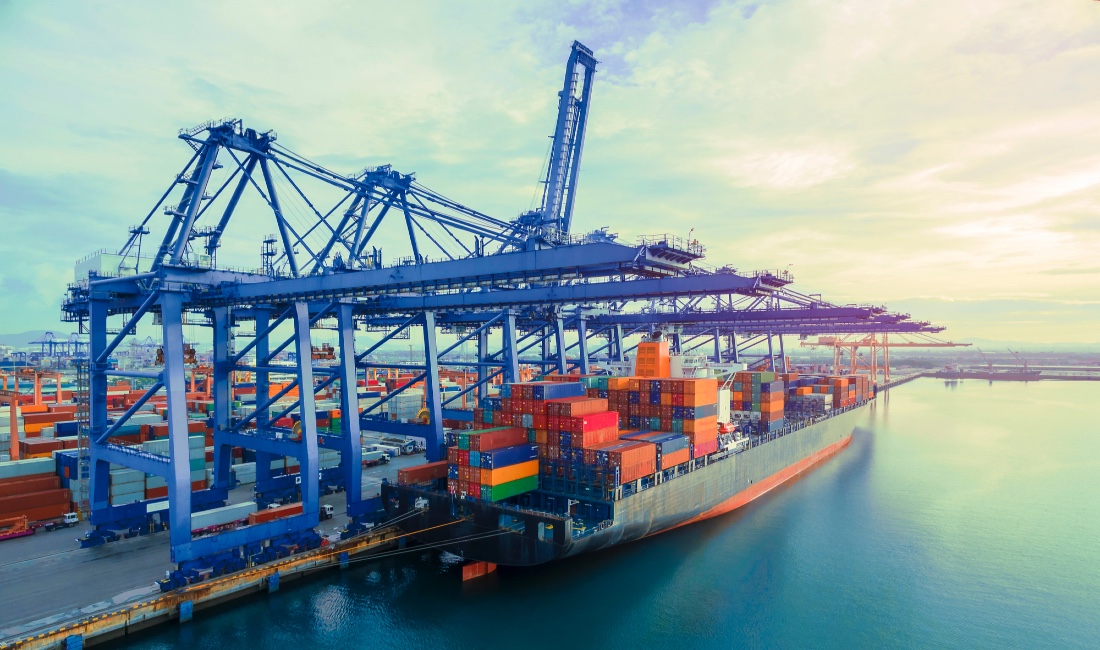
Global (HRNW) – After the reported closure of the Strait of Hormuz, significant disruptions in global trade routes have led to a major shift from sea transport to land-based logistics. According to AFP news agency, commercial supply chains are increasingly relying on alternative routes as shipping through the Strait has been halted.
The report states that food and manufactured goods are now being transported to Gulf countries via trucks, with Saudi Arabia’s Jeddah Port emerging as a key regional hub. Major international shipping companies are routing cargo through the Suez Canal to Jeddah, from where goods are further transported by road to destinations such as Sharjah, Bahrain, and Kuwait, where sea access has reportedly been limited for the past two months.
Experts note that Jeddah Port is under strain and not fully equipped to handle the sudden surge in trade volume, leading to congestion and delays. Other ports outside the Strait of Hormuz—including Sohar in Oman, Khor Fakkan and Fujairah in the UAE—are also being used, while Jordan’s Aqaba Port has become important for supply routes to Iraq, including Baghdad and Basra. Northern Iraq is also being supplied through Turkey. Analysts warn that the continued disruption of the Strait of Hormuz is reshaping global trade networks and forcing long-term changes in supply chain systems.
Support independent journalism and humanitarian reporting by donating here:
www.hrnww.com/?page_id=1083