










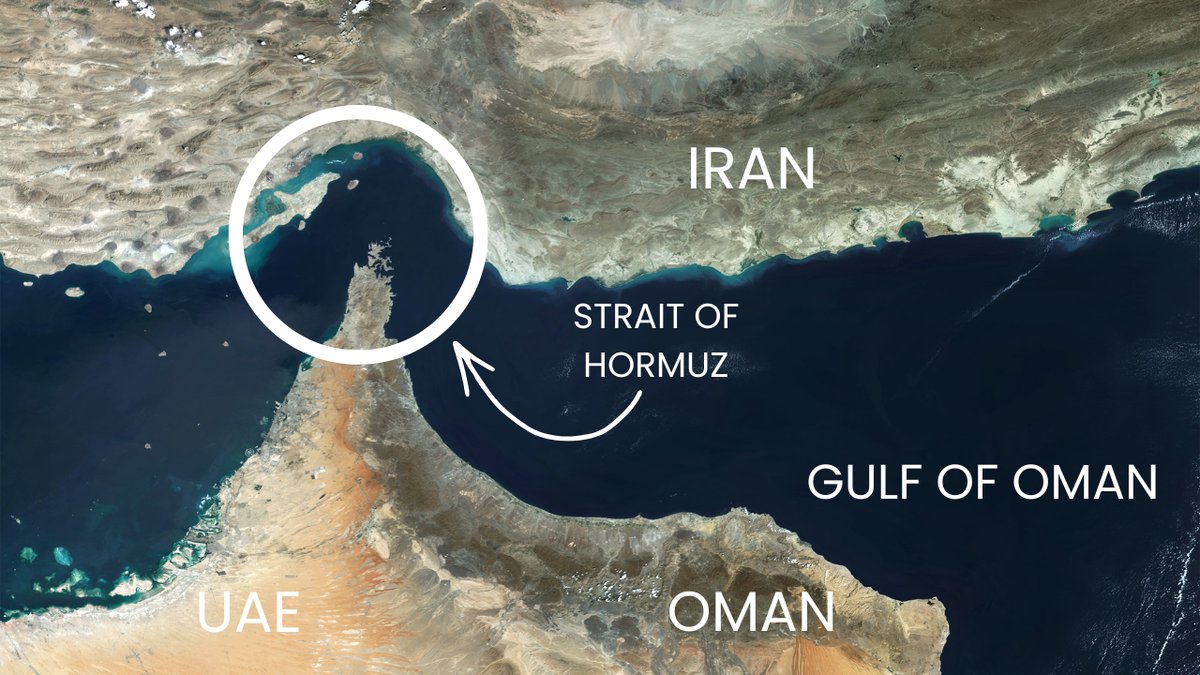
STRAIT OF HORMUZ: (HRNW) In a major escalation of regional hostilities, US intelligence sources report that Iran has begun deploying naval mines in the Strait of Hormuz, the world’s most critical energy corridor. According to reports from CNN and other international agencies, the mining is currently limited in scale, with a few dozen explosives laid in recent days. However, officials warn that Iran retains approximately 80% to 90% of its minelaying fleet, giving the Islamic Revolutionary Guard Corps (IRGC) the capability to rapidly deploy hundreds more, effectively turning the narrow waterway into what observers are now describing as a “Valley of Death” for commercial shipping.
In response to these developments, US Central Command (CENTCOM) announced on Tuesday, March 10, 2026, that American forces destroyed 16 Iranian minelaying vessels near the strait to prevent further disruption. President Donald Trump issued a stern warning via social media, demanding the immediate removal of any mines and promising “military consequences at a level never seen before” if the mining continues. The IRGC has countered by declaring that it will not allow “even one liter of oil” to leave the region if US-Israeli strikes on Iranian infrastructure persist.
The effective closure of the strait has paralyzed maritime operations, leaving an estimated 15 million barrels of crude oil and 4.5 million barrels of refined fuel stranded in the Gulf daily. With the waterway being just 21 miles wide at its narrowest point, the threat of scattered mines, explosive-laden “suicide” boats, and shore-based missiles has brought global energy transit to a virtual standstill, sending shockwaves through international oil markets.
Monitoring global maritime security and its impact on energy supplies is a core priority for our reporting. To support our mission of providing verified updates on the Middle East crisis and international trade safety, please consider contributing to our work at hrnww.com/support-us.