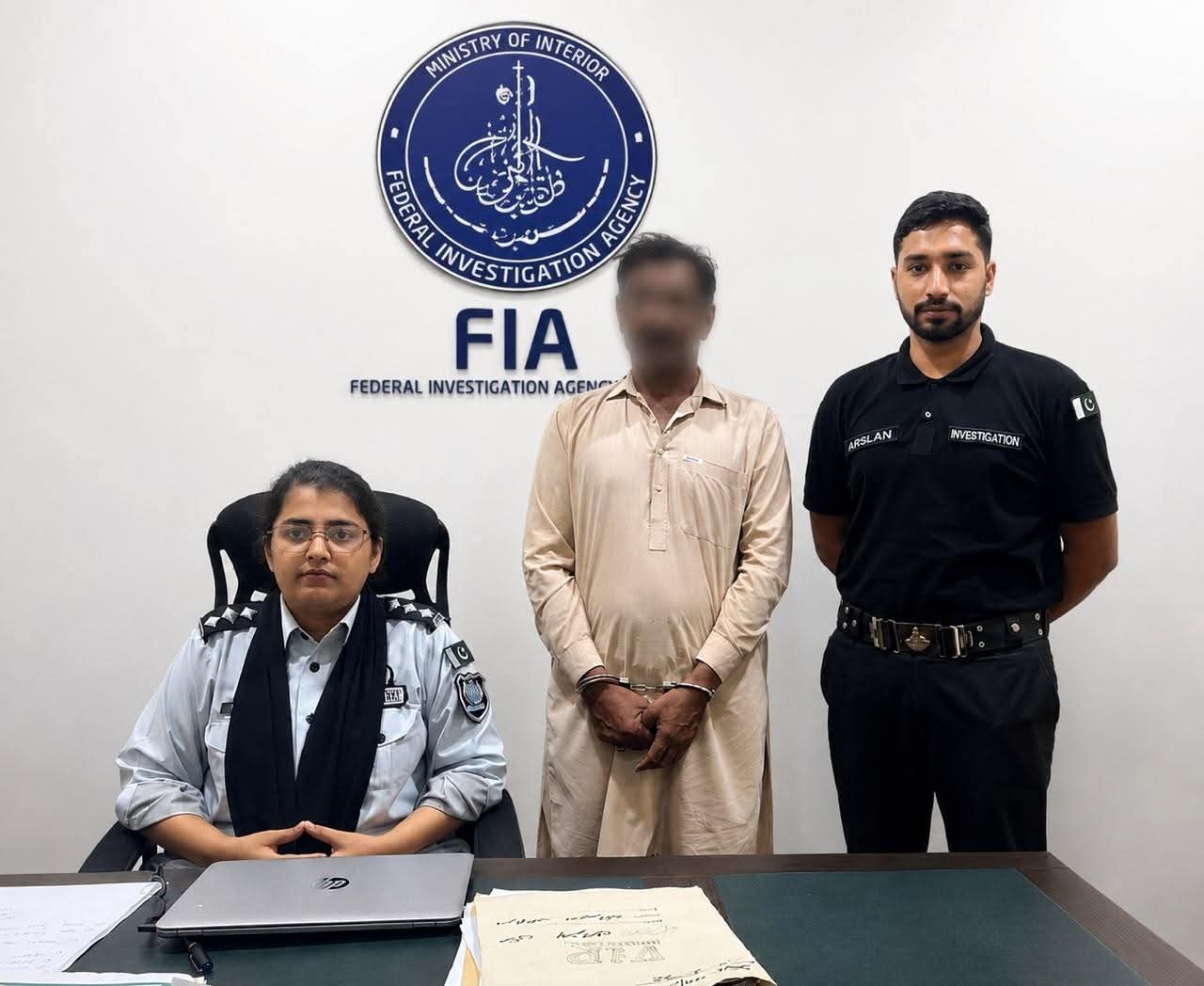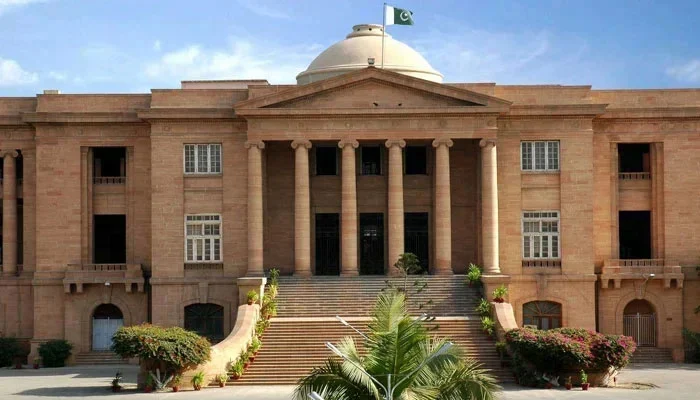








KARACHI (HRNW): The Sindh High Court (SHC) has reserved its judgment on a series of petitions challenging the sealing of the historic Karachi Cotton Exchange building, a case that has highlighted a significant jurisdictional conflict between federal and provincial authorities. During the proceedings, a division bench comprising Justice Adnan-ul-Karim Memon and Justice Zulfiqar Ali Sangi expressed strong reservations regarding the involvement of the Federal Investigation Agency (FIA) in a property ownership matter. Justice Memon remarked that the FIA is an investigative body rather than a general law enforcement agency, noting that administrative or ownership disputes do not fall under its purview unless a specific crime is established. Counsel for the petitioners, Anwar Mansoor Khan, and KMC’s counsel, Barrister Haider Waheed, argued that since Sindh possesses its own provincial laws regarding evacuee trust properties, any federal intervention is a breach of jurisdiction. The bench further questioned how a property purchased in 1936 could suddenly be sealed in 2025 without providing the affected traders a fair opportunity to be heard, asking the Evacuee Trust Property Board (ETPB) what evidence it had gathered since 1963 to justify such a move.
While the counsel for the ETPB maintained that the building was sealed by their department with only “assistance” from the FIA, the court remained skeptical of the federal agency’s high level of interest in the case. The petitioners’ counsel flatly rejected an offer by the FIA to convert the criminal case into an inquiry, maintaining that the agency lacked the legal standing to even initiate such a probe in the presence of provincial statutes. Traders’ representatives urged the court to de-seal the building immediately to prevent further economic losses while the legalities are being debated. After hearing extensive arguments from all parties—including the Chief Secretary, KMC, and the ETPB—the court concluded the hearing and reserved its final verdict. The upcoming decision is expected to clarify whether the management of such historic sites in Karachi remains a federal responsibility or falls strictly under provincial authority.
Reporting on judicial oversight is essential for protecting the rights of the business community and upholding the rule of law. To support our mission of providing detailed legal coverage, please consider contributing at hrnww.com/support-us.