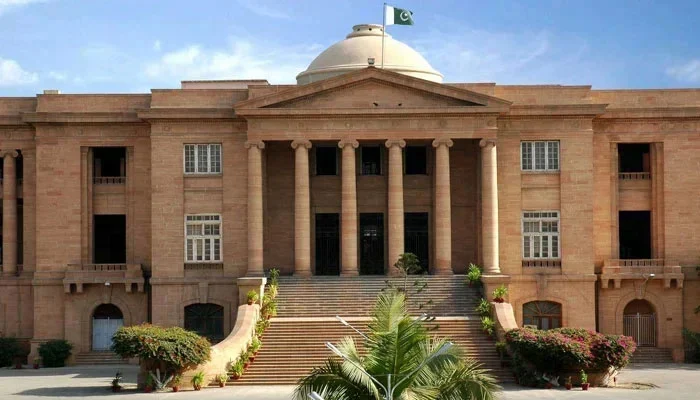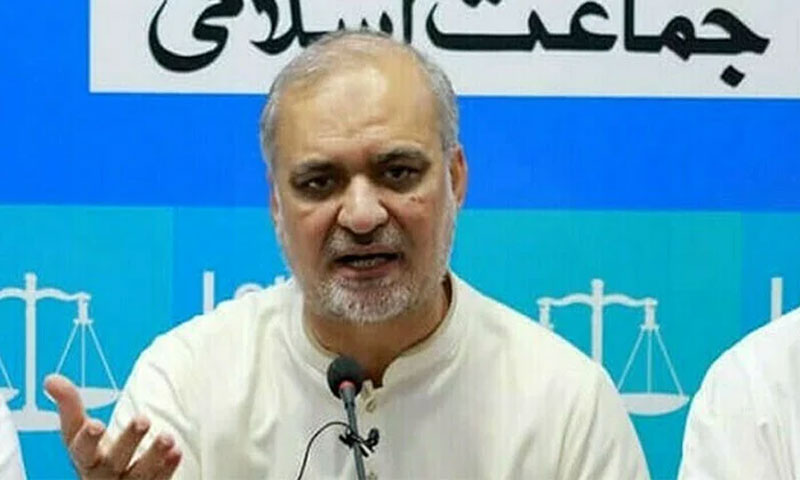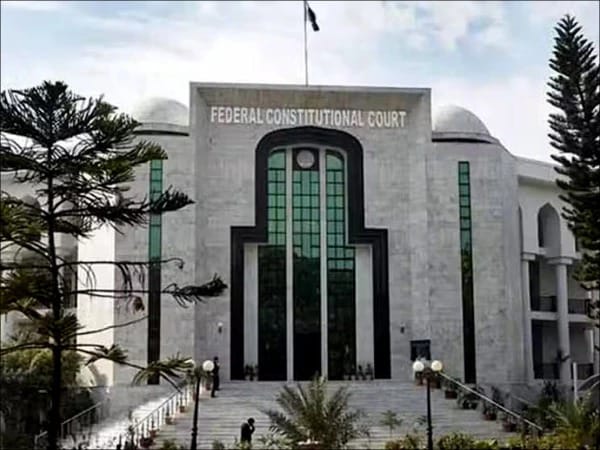









Lahore (HRNW)– The ongoing legal and administrative friction within the Lahore High Court has transitioned into a formal institutional standoff. According to sources, pending petitions have raised significant constitutional points regarding the formation of benches, the distribution of cases, the judicial roster, and the exercise of administrative authority. Legal circles suggest that the matter is no longer merely administrative; it is now directly linked to judicial independence, internal accountability, and the definition of constitutional boundaries. The core of the controversy centers on several pivotal questions: whether the formation of judicial benches is a purely discretionary power or must be governed by structured rules, how transparency can be ensured in case assignments, and whether institutional consultation should be a mandatory element in administrative decisions. Senior lawyers argue that a lack of clarity in these functions could cast doubt on judicial impartiality, which is a serious concern for any superior officiating body. Representative bodies of the Bar are viewing the situation with extreme gravity, noting that the resolution of this conflict will serve as a definitive precedent for High Courts across the country. Meanwhile, security measures around the court premises have been tightened as a large number of lawyers and litigants attend the hearings amidst an atmosphere of unusual solemnity and tension. Legal experts believe this phase represents a turning point for Pakistan’s judicial system, as the eventual outcome will determine the limits of administrative powers and establish how transparency is to be institutionalized, likely leaving far-reaching implications for the country’s legal landscape.