







Tehran (HRNW)- Iran has said that an agreement with Oman on a new system for maritime traffic through the Strait of Hormuz is close, but stressed that the arrangement would not immediately result in the complete reopening of the strategically important waterway.
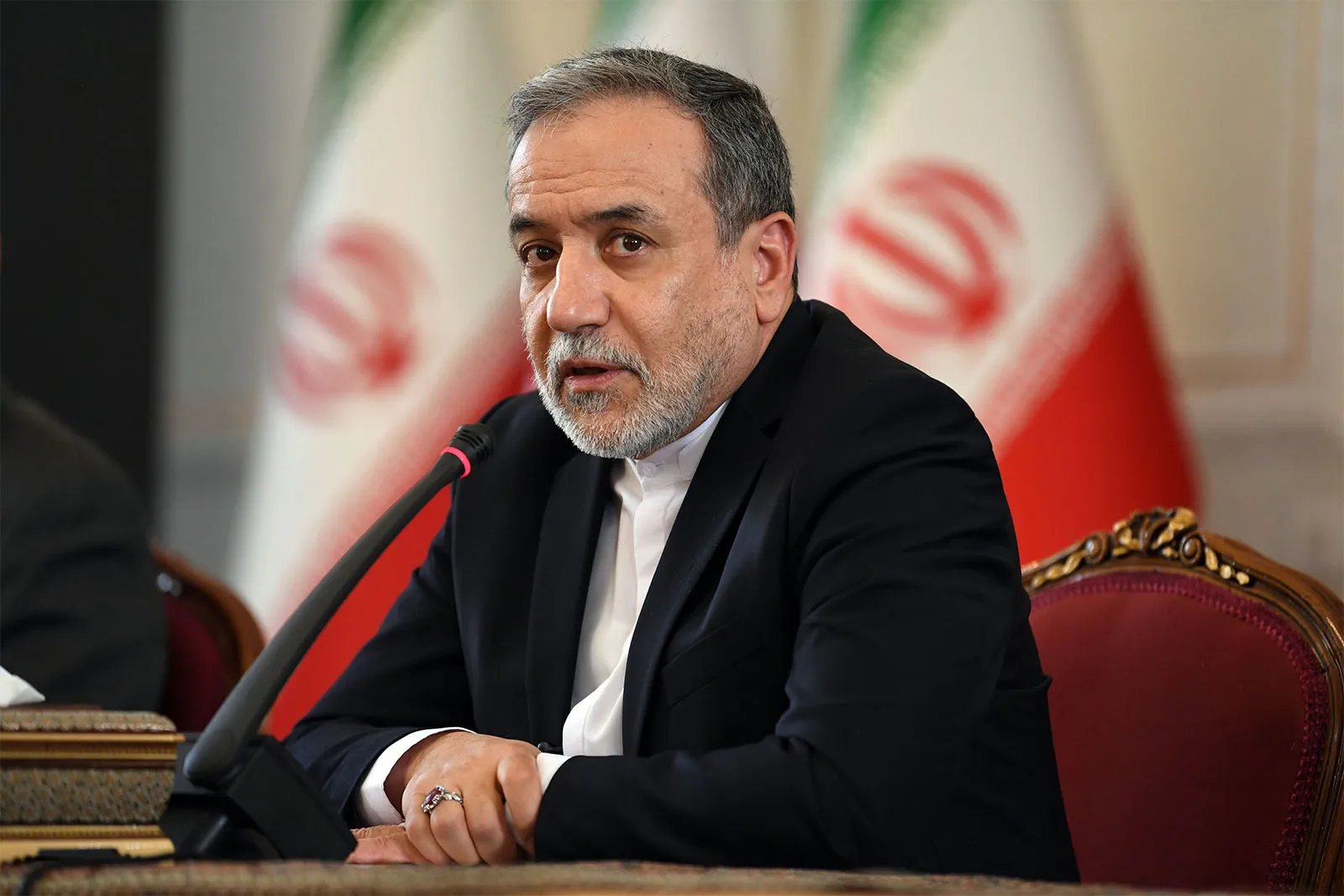
According to the International News Agency, Iranian Foreign Minister Abbas Araqchi said that negotiations between Iran and Oman regarding shipping routes, legal arrangements and administrative procedures for vessels passing through the Strait of Hormuz have entered their final stage.
Araqchi said some technical and legal complications concerning shipping routes remain unresolved, prompting Iran and Oman to consider establishing a temporary maritime route.
He said the temporary route could eventually serve as the basis for a permanent or central shipping corridor through the Strait of Hormuz.
The Iranian foreign minister emphasized that an agreement between Iran and Oman alone would not be sufficient to fully reopen the waterway, as broader issues between Iran and the United States would also need to be resolved.
According to Araqchi, these issues include addressing what Iran describes as violations by the United States of previous understandings between the two sides.
The statement follows recent remarks by the Islamic Revolutionary Guard Corps, which said the Strait of Hormuz would only be fully reopened if the United States accepted Iran’s conditions.
The Revolutionary Guards have described the Strait not merely as a commercial shipping route but as an important strategic resource for Iran, warning that external interference could complicate ongoing negotiations.
How Far Have Iran and Oman Reached?
According to reports, the primary objective of the negotiations between Iran and Oman is to establish a viable route for the safe passage of commercial vessels through the Strait of Hormuz.
The proposed arrangement also includes separating the routes used by vessels passing through maritime areas under the respective control of Iran and Oman.
The objective is to regulate shipping during the current regional tensions and reduce the risk of maritime accidents or collisions.
However, Iran has made clear that security and broader political conditions must also be addressed before any new arrangement can lead to the full restoration of normal navigation through the Strait of Hormuz.
Support independent journalism and human rights reporting by making a donation: www.hrnww.com/?page_id=1083