



Washington (HRNW)- The World Bank has warned that the global economy could face its weakest growth since the COVID-19 pandemic due to ongoing tensions and conflict in the Middle East, rising energy prices, inflationary pressures, and high borrowing costs.
In its latest Global Economic Prospects report, the World Bank lowered its global growth forecast for 2026 from 2.9 percent to 2.5 percent. According to the report, increasing oil and energy prices, persistent inflation, and tighter financial conditions have further complicated the global economic outlook.
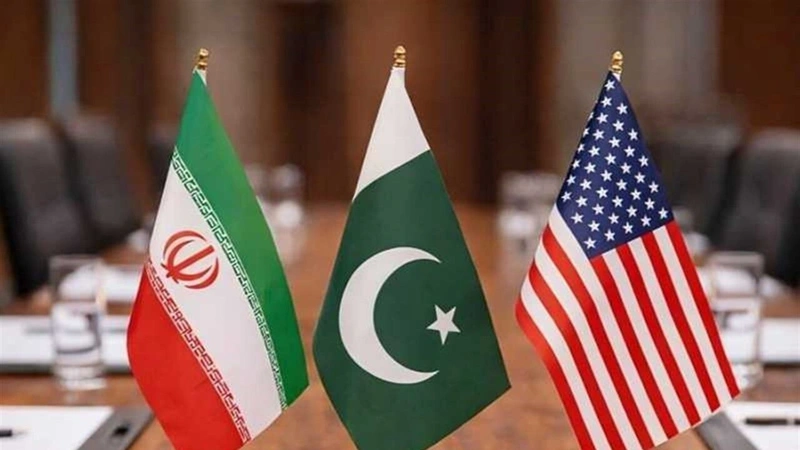
The report states that tensions involving Iran and the United States, along with disruptions affecting the Strait of Hormuz, have placed significant pressure on global energy supply chains. The Strait of Hormuz remains one of the world’s most critical routes for oil and gas shipments.
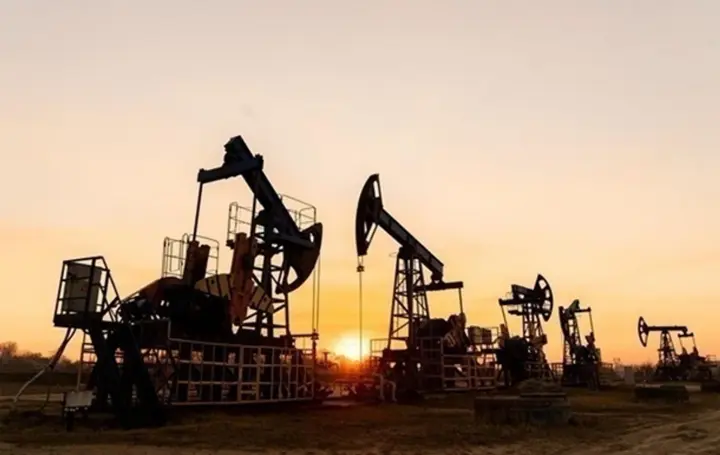
According to the World Bank, the average price of Brent crude oil could reach $94 per barrel this year, representing a 36 percent increase compared to the previous year. Fertilizer prices are also expected to rise substantially, potentially leading to higher food prices worldwide.
The report further warns that global inflation could reach 4 percent in 2026. If energy supply disruptions intensify, global economic growth could slow to as low as 1.3 percent, while inflation could climb to 4.4 percent.
The World Bank cautioned that developing countries are likely to bear the greatest burden of the crisis. Since January, economic growth forecasts for approximately two-thirds of the world’s economies have been revised downward.
World Bank President Ajay Banga stated that developing nations have already faced numerous economic challenges over the past decade, and the current crisis has added further pressure. He emphasized the need for governments to balance public welfare, economic stability, employment, and growth.
The organization also announced that up to $60 billion has been allocated to assist countries affected by the economic consequences of the Middle East conflict, with the possibility of increasing the support package to $100 billion if required.
HRNW relies on reader support to continue providing timely, credible, and independent journalism. To support our work, please donate here:
HRNW Donation Page.