

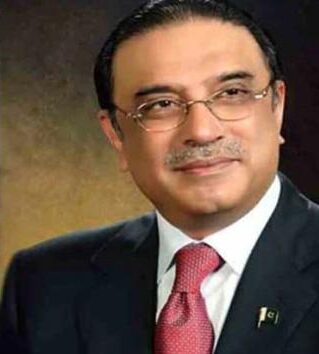
ISLAMABAD (HRNW) – In Pakistani politics, certain statements transcend mere words, serving as a reflection of the country’s political temperament, power centers, and future direction. President Asif Ali Zardari’s recent assertion that “we will all work together to strengthen the establishment” is one such statement that has ignited a fresh wave of debate across political circles.
The comprehensive political analysis, diverse viewpoints, and public expectations surrounding this statement include:
National Stability and the Need for Institutional Cooperation
-
Prioritizing National Interest: Some political analysts view Zardari’s statement as a critical necessity of the hour and a guarantee of national stability. They argue that a politics of confrontation between state institutions and political leadership has historically damaged the country.
-
A Way Out of Current Crises: Proponents maintain that mutual cooperation and harmony are the only paths to resolving deep-seated economic, political, and security challenges. They believe that if all political forces prioritize the national interest and collaborate with state institutions, the country can emerge from its current administrative and economic crises.
Critics’ Perspective and Democratic Principles
-
Respect for the Public Mandate: Conversely, critics view this statement through the lens of strict democratic principles. They argue that in a truly democratic system, the ultimate source of power must reside with the public vote and their elected representatives.
-
Questions Over Political Perception: Critics contend that such remarks create an impression that political parties value the backing of powerful quarters over the actual power of the masses. They emphasize that political entities should derive their strength directly from the public and focus on empowering democratic institutions.
Economic Recovery and Public Aspirations
-
The Imperative for Tangible Results: The reality remains that Pakistan currently stands at a crossroads where political stability, economic revival, and national cohesion are all absolutely indispensable.
-
Public Priorities: The citizens of the country are increasingly exhausted by political polarization and slogans, demanding tangible results instead. The public is far less concerned with who stands alongside whom, and deeply invested in seeing inflation curbed, employment opportunities generated, basic civic amenities improved, and transparent governance delivered.
Whether President Zardari’s statement is a calculated political strategy or a broader message of national reconciliation, it has once again revived the fundamental question: what is the true path to sustainable political stability in Pakistan? Will a unified front of all forces resolve these deep-rooted issues, or is the strengthening of democratic institutions and respect for the public mandate the only genuine guarantee? While time will tell, one fact is clear—the public now demands performance over rhetoric, waiting for a political landscape that prioritizes national development, transparency, and public welfare above the struggle for power.
Stand Up for Human Rights – Support Our Cause!
Help HRNW, the world’s No. 1 human rights portal. Click on the link below to support our mission in raising a voice for the oppressed and promoting human rights globally: