









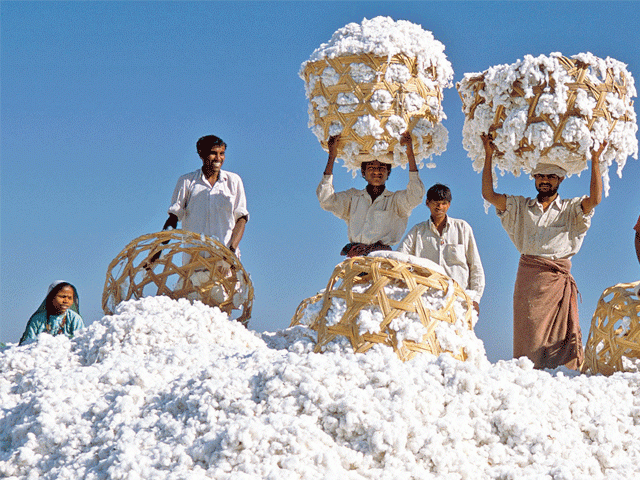
Karachi (HRNW)- For the first time in Pakistan’s history, national cotton reserves have dropped below 10,000 bales before the start of the new cotton ginning season, raising serious concerns over raw material shortages for the textile industry and the possibility that some mills could temporarily become inactive.
Speaking on the issue, Chairman Cotton Ginners Forum Ehsan-ul-Haq said that due to the closure of the Pak-Afghan border, nearly 500,000 bales of cotton could not be imported from Afghanistan, while disruptions in imports linked to regional conflict have further intensified pressure on local textile mills.
He stated that because of the shortage, cotton prices in the local market surged sharply, reaching Rs22,000 per maund, while on delayed payment the price climbed further to Rs23,500 per maund.
According to industry estimates, the new cotton ginning season in Pakistan is expected to begin shortly after Eid-ul-Adha, with fresh arrivals likely in the third week of June, which may provide temporary relief to textile manufacturers facing supply shortages.
Ehsan-ul-Haq emphasized that Pakistan urgently needs a long-term cotton self-sufficiency policy, suggesting that restricting sugarcane cultivation in major cotton-growing zones could significantly increase cotton output, reduce imports, and save billions in foreign exchange currently spent on importing cotton and edible oil.
He also highlighted India’s major investment in cotton production, noting that New Delhi has allocated Rs5,659 crore from 2026–2031 to increase cotton output, improve seed quality, strengthen climate resilience, and modernize over 2,000 ginning and processing factories, with a target of expanding annual production to 49.8 million bales by 2031.
Meanwhile, concerns are also growing among Pakistani farmers over record increases in agricultural input costs, including diesel, electricity, and fertilizers. The price of DAP fertilizer has reached Rs16,000 per bag, while urea has climbed to Rs4,500 per bag, raising fears that lower fertilizer use could reduce per-acre cotton yields and overall national production.
Experts warn that if immediate policy measures are not taken, Pakistan may once again be forced to import large quantities of cotton and edible oil, placing further pressure on the national economy.
Support independent journalism and HRNW’s public-interest reporting by donating here:
HRNW Donation Page