










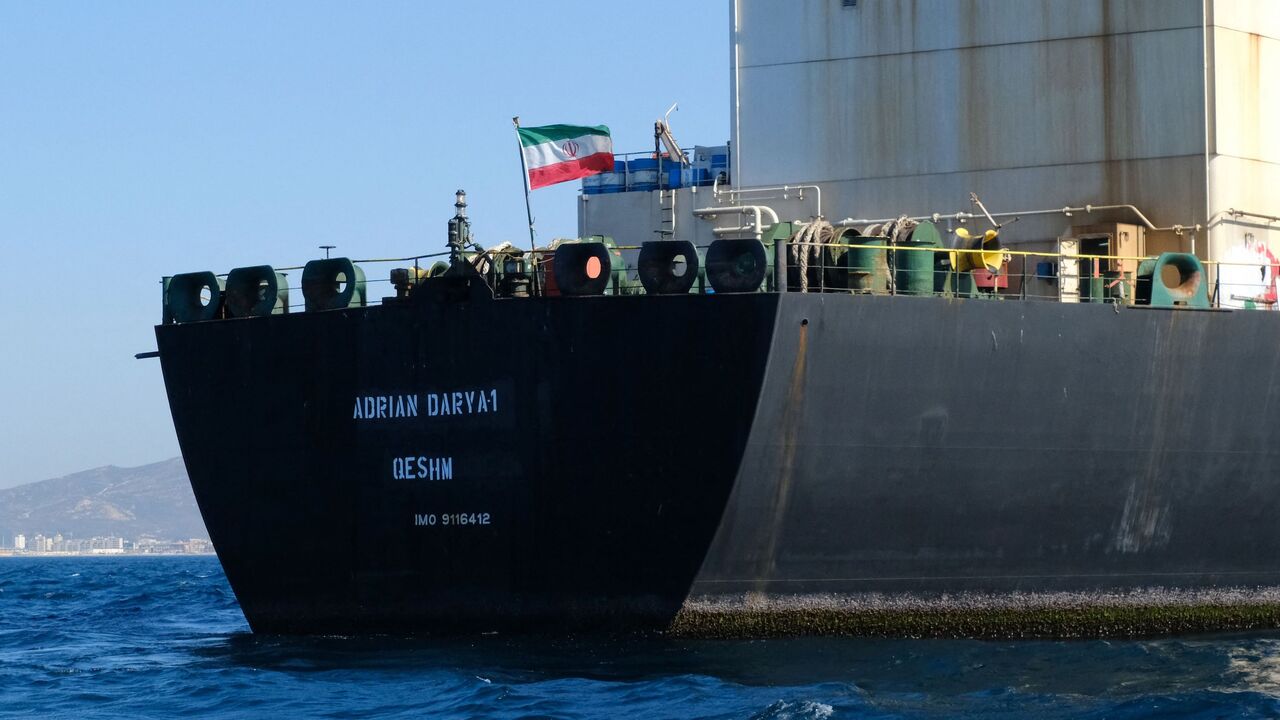
Tehran (HRNW)– Iran’s aging oil tankers are being flagged as a serious threat to marine life and coastal ecosystems, according to an international analysis. Experts have found that many of these tankers turn off satellite tracking systems to evade global sanctions, making them nearly impossible to monitor. Out of 29 Iranian tankers analyzed, half are over 20 years old, with 7 classified as extremely dangerous and 3 over 30 years old. Some very large crude oil tankers can hold up to 300,000 tons of oil, heightening the risk of catastrophic spills.
Experts warn that in the event of a collision or accident, oil spills could devastate marine life, pollute beaches, and pose risks to human health. Most of these “shadow fleet” tankers are uninsured, meaning cleanup costs—ranging from $860 million to $1.6 billion—would fall on affected countries. Similar fleets from Russia have caused major environmental disasters in recent years.
Environmental specialists urge stronger satellite surveillance, strict port inspections, and sanctions on the owners of unsafe vessels to prevent accidents. Past incidents involving shadow fleets in Thailand, Italy, and Mexico demonstrate the global implications of unregulated tanker operations.
Support research and global environmental safety efforts by donating here: https://www.hrnww.com/donate-us/