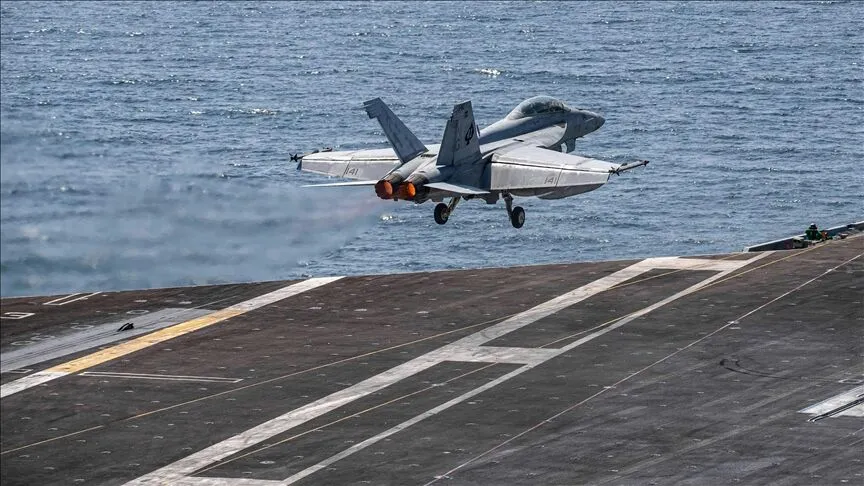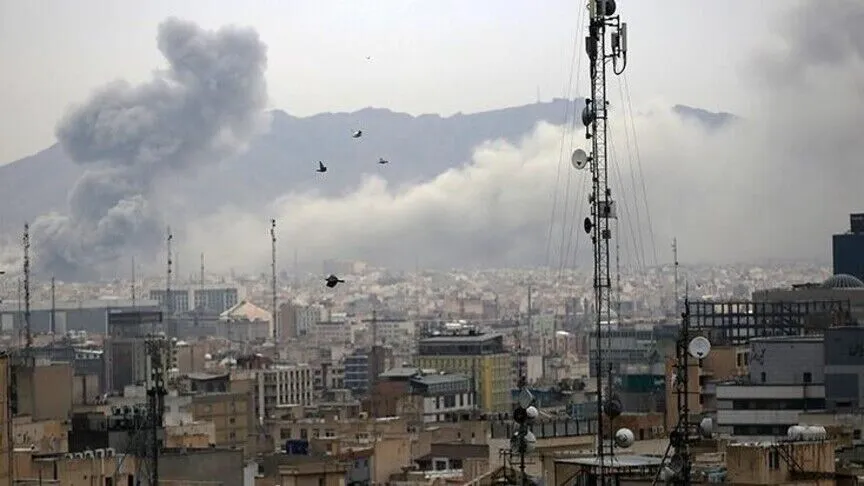











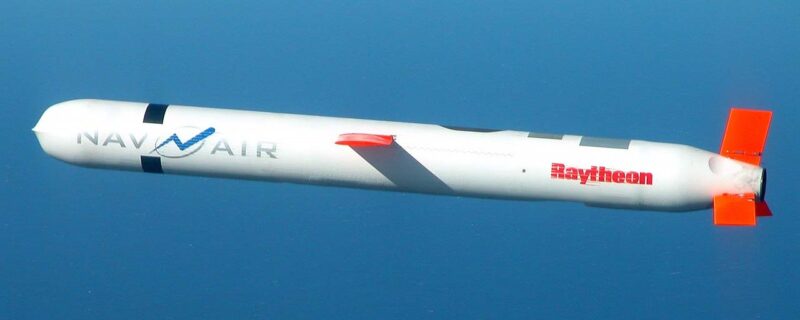
WASHINGTON (HRNW) – The United States military has deployed more than 850 Tomahawk cruise missiles during the first four weeks of the ongoing conflict with Iran, marking one of the most intensive aerial campaigns in recent regional history.
Targeting Strategy and Military Objectives
Security sources indicate that the missile strikes have primarily targeted Iranian military installations, command centers, and strategic ammunition depots. U.S. officials have stated that the primary objective of these high-precision strikes is to systematically degrade Iran’s military capabilities and logistics networks. By neutralizing these assets, the U.S. aims to limit Tehran’s offensive potential and maintain broader regional stability.
Iranian Response and Regional Tension
Despite the scale of the bombardment, Iran has yet to launch a formalized or large-scale military counter-response to this specific wave of missile strikes. However, international observers and security experts warn that the situation remains extremely volatile. The sustained nature of the campaign has heightened fears of a wider regional conflagration, with diplomatic missions across the globe calling for restraint.
Technical Scope
The Tomahawk missile, known for its long-range and low-altitude subsonic cruise capabilities, has been the primary weapon of choice for U.S. naval and air forces in this campaign, allowing for strikes against hardened targets while attempting to minimize collateral damage in civilian-heavy areas.
Support Independent Journalism
Human Rights News Agency (HRNW) is the world’s No. 1 Human Rights news portal, dedicated to providing comprehensive news and vital information regarding human rights across the globe.
👉 Support HRNW: hrnww.com/support-us