











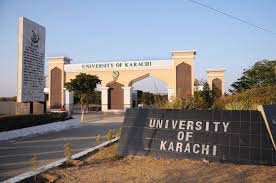
KARACHI (HRNW)- The Dr A. Q. Khan Institute of Biotechnology and Genetic Engineering (KIBGE) at the University of Karachi has completed the full genome sequencing of the country’s valuable indigenous cattle breed, “Red Sindhi Cattle.”
This achievement is a significant scientific breakthrough for infection control, disease prevention, and improving livestock productivity.
This project was completed under the Postdoctoral Fellowship Program Phase I of the Sindh Higher Education Commission. The research was carried out by Postdoctoral Fellow Dr Roohi Kanwal under the supervision of Professor Dr Saima Saleem, while Dr Nazir Hussain Kolahoro, Director of the Sindh Institute of Animal Health, also collaborated in this research project.
During the research, the complete genomic characteristics of the virus obtained from animals infected with Lumpy Skin Disease were also studied, which helped in deeply understanding the biological interactions between host and virus.
This is the first successful attempt of its kind through which the complete genetic blueprint of Red Sindhi cattle has been compiled. According to Professor Dr Saima Saleem, it will open new research pathways in modern breeding, disease resistance, and increasing milk and meat production. Scientists associated with the project have termed this achievement a “revolutionary step” towards modernizing Pakistan’s livestock industry through genomic science.
The Red Sindhi breed of cattle holds a key position in the rural economy across Sindh and the country due to its adaptation to harsh climatic conditions, high milk yield capacity, and natural resistance against local diseases. However, until now, limited genetic information has posed challenges in further improving their traits on modern scientific grounds.
The research team analyzed the complete genome using Next Generation Sequencing technology, during which important genes related to milk production, heat tolerance, and immunity were identified. According to experts, this information will enable more effective selection of animals with superior traits and reduce reliance on traditional trial-and-error breeding methods.
Experts say this achievement is not only scientific but also of great economic significance, because with the help of genomic information, farmers will be able to raise healthier and more productive cattle, which will enhance food security and increase income.
They expressed that this progress has also brightened prospects for the preservation of local breeds, promotion of genomic selection programs, and collaboration with international research institutions. At the same time, it will help in breeding cattle with more resistant traits in the context of climate change.
Moreover, the genomic data obtained from this research holds fundamental importance for devising effective strategies related to infection prevention and control. By understanding genetic resistance in host animals and evolutionary changes in viruses, experts will be able to develop effective protective measures, biosecurity systems, and control programs against emerging infectious diseases, including Lumpy Skin Disease.
Professor Dr Saima Saleem mentioned that through this achievement, Pakistan is joining the ranks of countries that are benefiting from genomic science to strengthen the agriculture and livestock sector — a symbol of a bright future for scientifically advanced agriculture and animal husbandry in the region.
The KU’s Vice Chancellor Professor Dr Khalid Mahmood Iraqi expressed gratitude to the Sindh Higher Education Commission for funding this important research project and congratulated KIBGE’s Professor Dr Saima Saleem, and her research team for their outstanding scientific services in the field of infection prevention and control.