









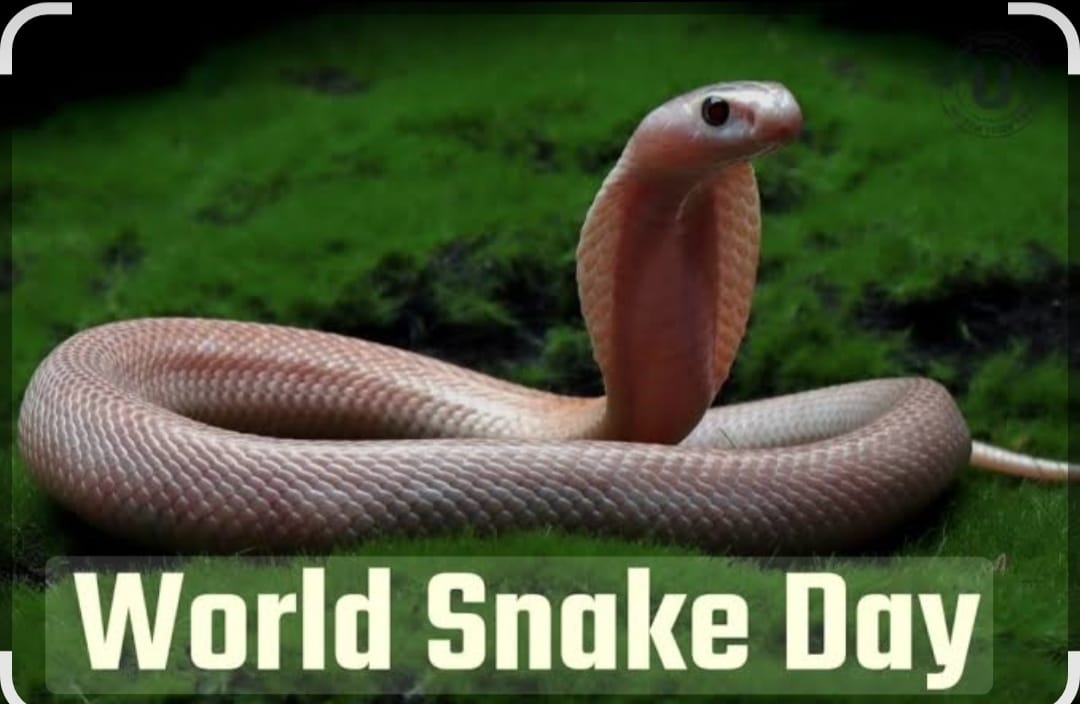
Islamabad (HRNW) – World Snake Day is observed annually on 16 July in Pakistan and around the world to raise public awareness about the ecological importance of snakes, encourage their conservation, and dispel widespread myths and unnecessary fear associated with these reptiles.
Environmental experts state that snakes play a vital role in maintaining ecological balance by controlling populations of rodents and other pests, thereby contributing to healthier ecosystems, sustainable agriculture, and biodiversity.
Snakes are found on nearly every continent across the globe, with Antarctica being the only continent where they do not naturally occur.
Conservationists warn that many snake species face growing threats, including illegal hunting for their skins, use in traditional medicines, habitat destruction caused by urban expansion, road fatalities, and being killed out of fear or misunderstanding.
To mark World Snake Day, government agencies, environmental organizations, educational institutions, and civil society groups organize seminars, awareness campaigns, exhibitions, and educational programs to help the public better understand the ecological value of snakes and the importance of wildlife conservation.
Human Rights Perspective
Human Rights News Worldwide (HRNW) emphasizes that the right to a clean, healthy, and sustainable environment is increasingly recognized as a fundamental human right. Protecting biodiversity, including snake populations, is essential for maintaining balanced ecosystems that support human health, food security, and environmental sustainability.
HRNW encourages governments, conservation organizations, and communities to promote scientific education, strengthen wildlife protection laws, and foster peaceful coexistence between humans and wildlife through awareness and responsible environmental stewardship.
🤝 Support HRNW – The World’s No. 1 Human Rights News Agency
👉 https://www.hrnww.com/?page_id=1083
⚠️ Important Note (Disclaimer)
This report has been prepared to mark World Snake Day and is intended solely for public education and environmental awareness. The information presented is based on generally accepted scientific and conservation knowledge. HRNW’s mission is to promote human rights, environmental protection, biodiversity conservation, public awareness, and responsible journalism. This report is not affiliated with, nor previously published on, HRNW (hrnww.com).