






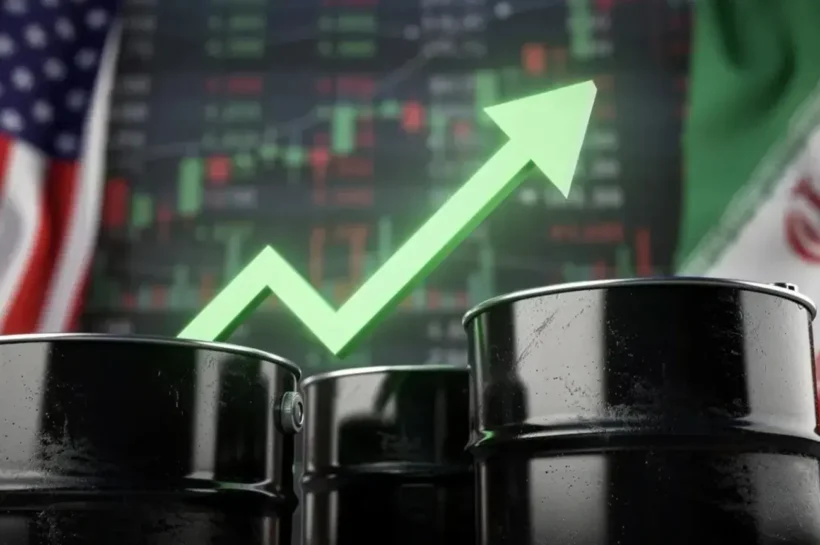
Islamabad (HRNW) – Public debate has intensified following claims that Pakistan’s gas and petroleum sector has accumulated an estimated Rs. 3.6 trillion in circular debt, drawing attention to issues of financial transparency and public accountability.
According to figures circulating in public discussions, approximately Rs. 1.9 trillion represents the principal outstanding amount, while around Rs. 1.7 trillion is attributed to additional financial charges, including costs arising from delayed payments. These claims have prompted questions about how such liabilities accumulated despite consumers paying fuel prices, gas bills, taxes, and petroleum levies.
At the time of reporting, detailed official explanations or audited breakdowns confirming these figures and the reasons behind the alleged liabilities had not been publicly presented.
Human Rights Perspective
Human Rights News Worldwide (HRNW) emphasizes that transparency, accountability, access to information, and the protection of economic rights are fundamental principles of good governance.
Citizens have the right to know how public funds, taxes, utility payments, and national resources are managed. Governments and public institutions have a responsibility to provide accurate, transparent, and verifiable information regarding public debt, financial liabilities, and any additional costs that may ultimately affect taxpayers and consumers. Where administrative failures, financial mismanagement, or irregularities are identified, they should be addressed through independent oversight and lawful accountability mechanisms, while ensuring that the public is not subjected to unnecessary financial burdens.
🤝 Support HRNW – The World’s No. 1 Human Rights News Agency
👉 https://www.hrnww.com/?page_id=1083
⚠️ Important Note (Disclaimer)
This report is based on publicly circulating claims and available information. The reported figure of Rs. 3.6 trillion in circular debt, including its composition, should be verified through official government records, audited financial statements, or other authoritative sources. HRNW does not independently verify unconfirmed financial claims. The purpose of this report is to promote public awareness of human rights, transparency, economic accountability, and responsible governance. This report is not affiliated with, nor previously published on, HRNW (hrnww.com).