
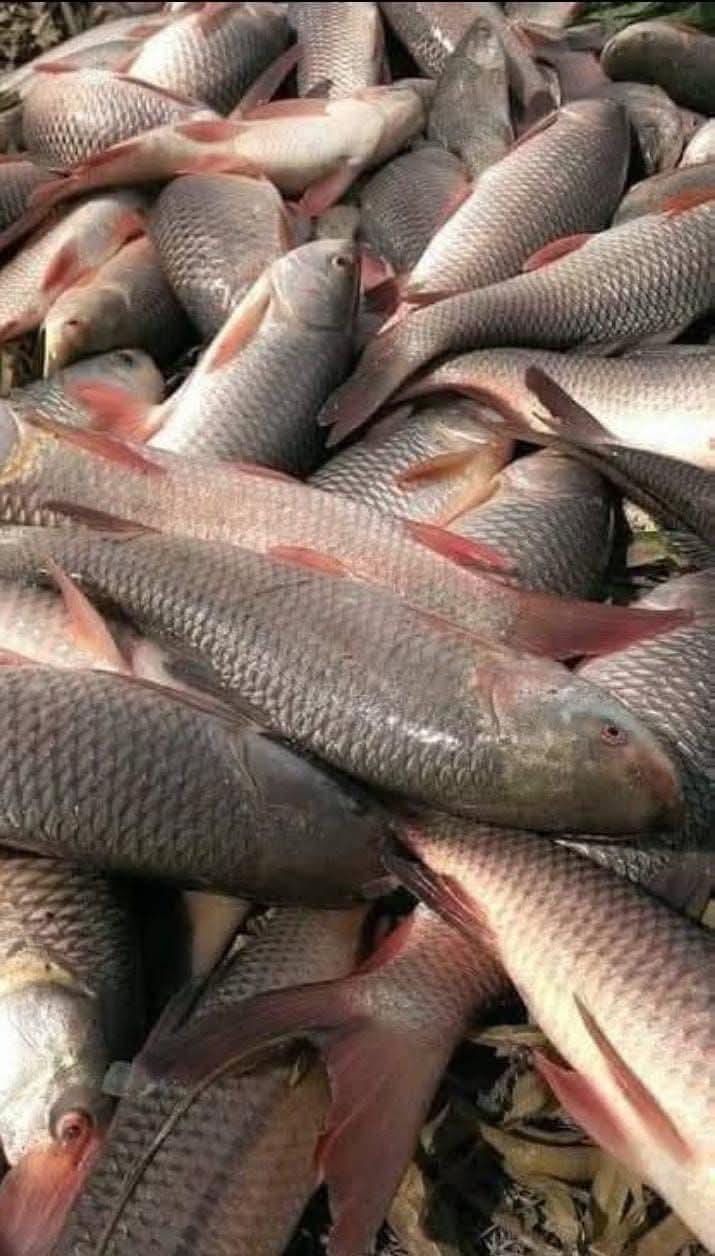
ISLAMABAD (HRNW) – Federal Minister for Maritime Affairs, Junaid Anwar Chaudhry, has revealed that approximately 20 to 30 percent of seafood in Pakistan is wasted every year. In a significant message marking International Day of Zero Waste, he warned that this loss poses a severe threat to both the national economy and the environment.
Economic Impact and the “Mahi Dost” Initiative
The Minister highlighted that the fisheries sector is a vital lifeline for Pakistan, providing livelihoods to over 1.5 million people. However, lack of modern infrastructure and improper handling lead to massive post-harvest losses.
-
Mahi Dost Digital App: To combat this wastage, the Ministry has launched a national digital application called “Mahi Dost.” This app is designed to modernize the fisheries sector, stabilize the economy, and provide fishers with the tools to reduce waste.
-
Seafood and the Environment: Reducing seafood waste is not just an economic necessity but a crucial step toward environmental protection and marine biodiversity conservation.
The Global Waste Crisis: Facts and Projections
According to the United Nations Environment Programme (UNEP) and UN-Habitat, humanity currently generates between 2.1 billion and 2.3 billion tons of municipal solid waste annually.
-
The 2050 Threat: Without urgent intervention, global waste is projected to reach 3.8 billion tons per year by 2050.
-
Food Waste Statistics: In 2022 alone, nearly 1 billion tons of food was wasted globally—roughly one-fifth of all food available to consumers.
Climate Change and Zero Waste Strategy
Food loss and waste are major drivers of the climate crisis:
-
Greenhouse Gas Emissions: Food waste accounts for nearly 10% of global greenhouse gas emissions, which is five times higher than the aviation sector’s footprint.
-
Methane Contribution: It also contributes approximately 14% of global methane emissions.
-
The Solution: Experts agree that controlling food waste is one of the most effective and actionable solutions to mitigate climate change, aligning perfectly with “Zero Waste” strategies that prioritize resource efficiency and systemic change.
The United Nations and the Government of Pakistan have jointly urged governments, businesses, and individuals to adopt Zero Waste practices to overcome the pollution crisis and protect the planet’s future.
Support Independent Journalism
Human Rights News Agency (HRNW) is the world’s No. 1 Human Rights news portal, dedicated to reporting on economic rights, environmental justice, and the sustainable use of global resources.