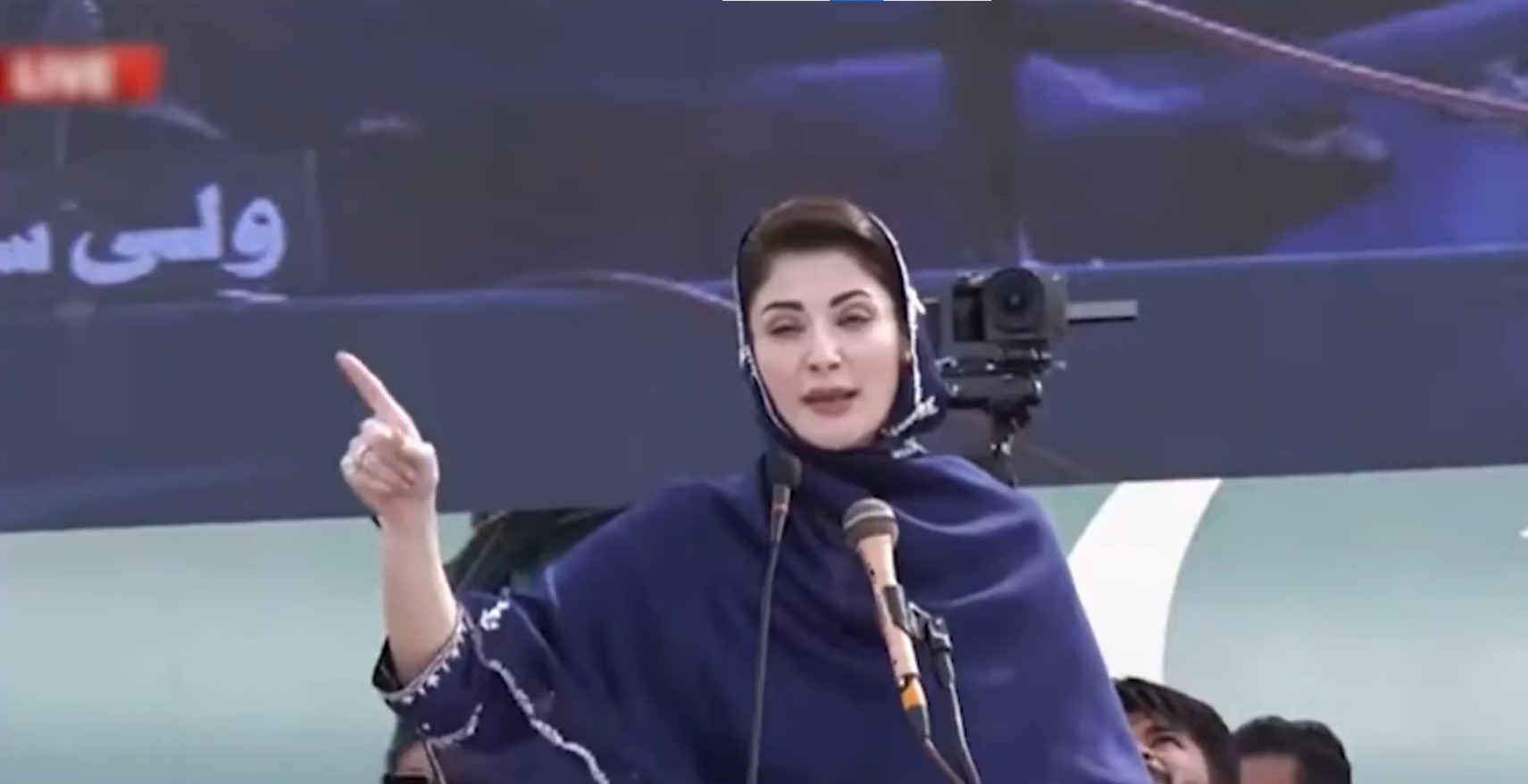



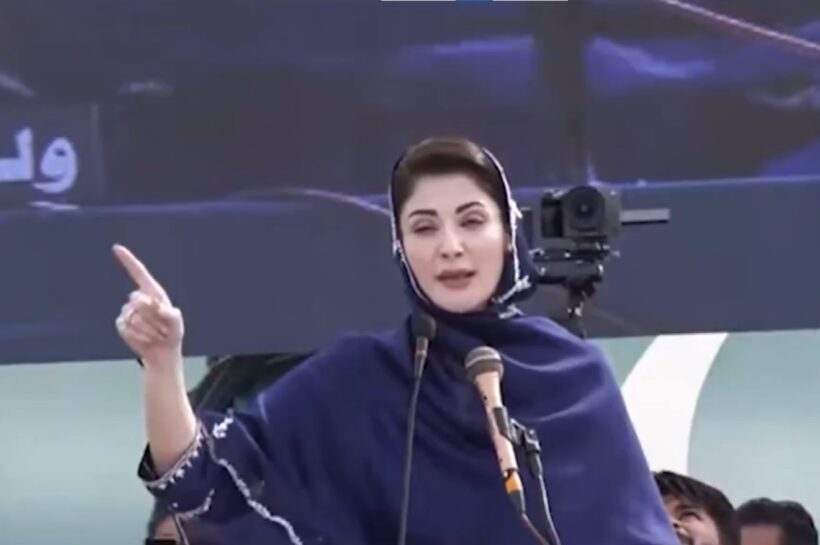





LAHORE (HRNW): Chief Minister Maryam Nawaz Sharif formally launched Pakistan’s first-ever Electric Taxi (E-Taxi) Scheme on Thursday, February 26, 2026. This landmark initiative aims to modernize urban transport while providing eco-friendly employment opportunities. In its initial phase, the government will distribute 1,100 electric vehicles (EVs) to eligible applicants.
Incentives and Financial Structure
To ensure the program is accessible to low-income drivers, the Punjab government has introduced a heavily subsidized financing model:
-
Subsidized Down Payment: The government will pay 50% of the down payment for male drivers and 60% for female drivers.
-
Fee Waivers: The provincial government will bear all costs related to vehicle registration, fitness tests, and token taxes.
-
Repayment Plan: Beneficiaries can repay the remaining balance through easy installments over a five-year period.
-
Income Potential: Officials estimate that drivers could earn between Rs 150,000 and Rs 200,000 per month through the scheme.
Focus on Women Empowerment and Safety
A significant feature of the scheme is the 30% quota reserved exclusively for women. To enhance visibility and safety:
-
Distinct Branding: Taxis operated by female drivers will feature a distinctive color (pink/green) for easy identification.
-
Safety Integration: Every vehicle is equipped with a Panic Button directly linked to the Punjab Safe Cities Authority (PSCA) for immediate emergency response.
-
Digital Integration: The E-Taxis will be integrated with popular ride-hailing apps like InDrive and Yango and will support digital payment systems.
The Chief Minister also announced that fast-charging stations will be installed at key public locations across the province to support the new fleet. This project is part of a broader “Green Mobility” vision, which will soon include the launch of Green Bus services in every tehsil and a trackless train project in the province.
Our mission is to bring you the latest on public welfare and economic reforms. To support our independent reporting on provincial governance and sustainable development, please consider contributing to our work at hrnww.com/support-us.