




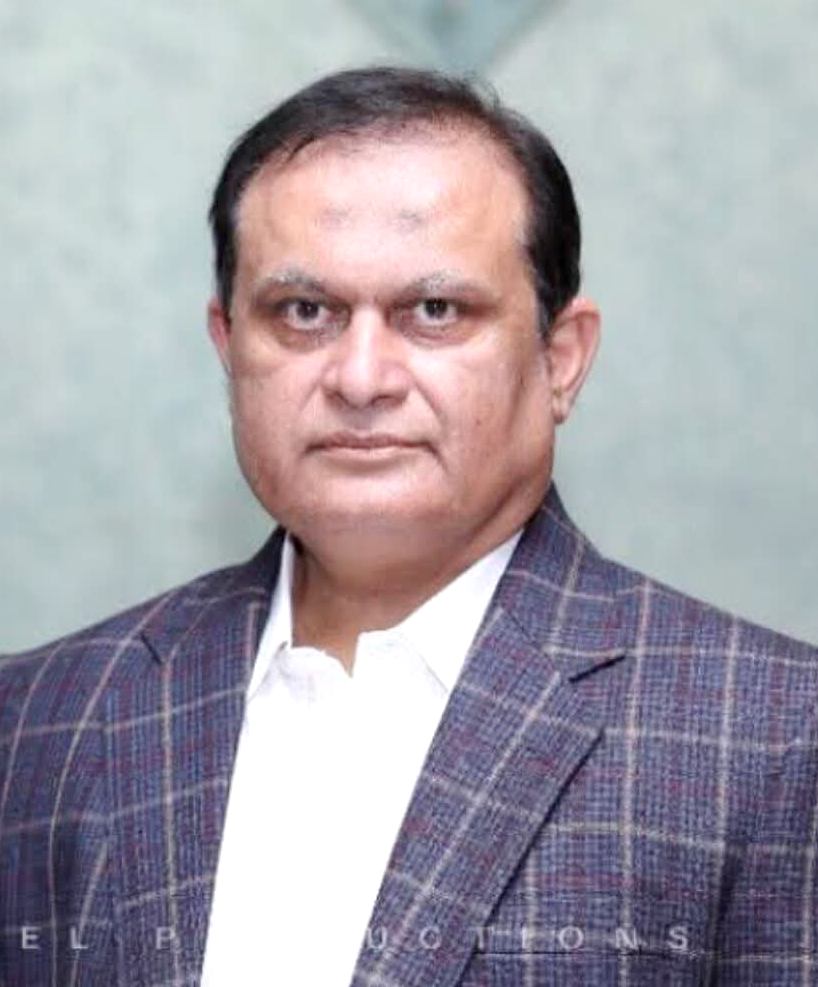
Hyderabad(HRNW)The President Hyderabad Chamber of Small Traders & Small Industry (HCSTSI), Muhammad Saleem Memon, participated in the Stakeholders’ Consultative Session on the Strategic Trade Policy Framework (STPF) 2025–30, held via Zoom. The Secretary General of HCSTSI, Furqan Ahmed Lodhi, also accompanied the session alongside the President.
The consultative meeting was organized by the Ministry of Commerce & Industries, Government of Pakistan, Islamabad, and was chaired by Atta Ullah, Deputy Chief (Trade Policy). Ms. Sarah Tassaduq, Deputy Director (Trade Policy), was also present during the session.
During the meeting, HCSTSI President Saleem Memon highlighted the critical trade and industrial challenges being faced by the business community of Pakistan, particularly traders and industrialists from Hyderabad. He stated that exporters often fail to receive their legitimate profits in a timely manner due to complex government procedures and restrictive banking policies. Delays in refunds and payments have severely demoralized the business community, discouraging efforts to enhance exports. He emphasized the urgent need for an efficient and fast-track mechanism to ensure smooth and timely export-related financial transactions.
Mr. Memon further pointed out that Pakistani companies are manufacturing quality products in the automotive sector, which have strong export potential to Egypt and several African countries. However, he stressed that this potential can only be realized if the government facilitates the business community through simplified visa policies and improved access to international markets.
He also underlined that in order for Pakistan to compete effectively in the international market, it is essential to reduce manufacturing costs. This can only be achieved by ensuring the availability of electricity and gas at affordable rates with uninterrupted supply to industries. High energy costs, he noted, are rendering Pakistani products uncompetitive in global markets.
The HCSTSI President also compared Pakistan’s export performance with that of other developing and smaller countries, observing that despite Pakistan’s vast industrial potential and skilled manpower, the country has been unable to achieve desired export growth. In contrast, other nations have performed significantly better due to supportive government policies, strong industrial infrastructure, and effective export facilitation mechanisms.
On this occasion, Mr. Atta Ullah, Deputy Chief (Trade Policy), appreciated the valuable suggestions presented by the Hyderabad Chamber. He reaffirmed that the Ministry of Commerce believes in actively engaging chambers of commerce in national policy formulation to ensure ease of doing business. He assured that the recommendations put forward by HCSTSI would be duly considered and incorporated into national-level policies.
He further highlighted the participants that only six trade bodies from across Pakistan were selected to participate in this consultative process, and HCSTSI is one of them. This, he noted, reflects the importance and credibility of HCSTSI’s consistent, constructive, and effective recommendations on national trade and export-related issues.
HCSTSI President Muhammad Saleem Memon also expressed his gratitude to the Ministry of Commerce & Industries and reiterated that the Hyderabad Chamber would continue to extend its full cooperation with the government for the promotion of exports, industrial growth, and economic stability of Pakistan.